
Moving to France Isn’t What You Think: 13 things I Learned the Hard Way
Moving to France is often imagined as something beautiful and effortless. Food, culture, travel, a certain elegance of life. And while parts of that are true, what is less often spoken about are the quiet adjustments, the unexpected costs, and the emotional shifts that come with building a life here.
These are some of the things I learned along the way. Some slowly, others the hard way.
-
- Language Is Not Optional
France needs French.
One of the biggest misconceptions is that you will pick up the language just by living here. It does not quite work like that. I am still learning, and my French is not perfect yet, sometimes i wake up feeling super confident, until i actually open my mouth and the words go south. It takes time, consistency, and patience.
Without French, many things remain out of reach. Work opportunities, internships, daily interactions, administrative processes, even simple conversations become more difficult. Language shapes how you move, how you are received, and how much of life here opens up to you.
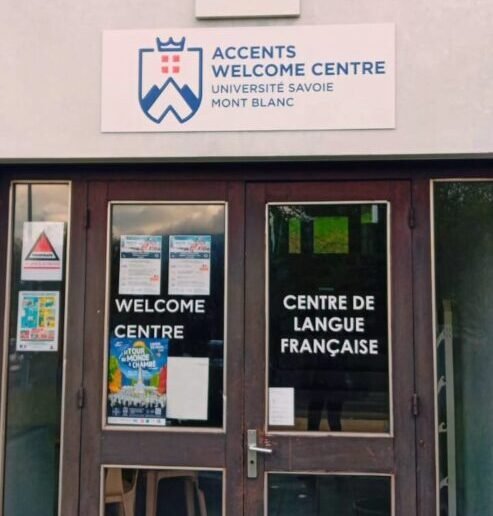
If you are thinking of starting or improving your French, I recommend exploring different methods early. I came across a Kenyan YouTuber who teaches French through the shadowing method, and I found her approach practical and engaging. It is worth exploring to see if it will work for you as well.
2. Getting a Job Is Not Straightforward
Finding work or even internships can take time, and for many people coming from the African continent, it can be even more challenging. Language plays a role, but so do systems, expectations, and recognition of experience. Sometimes you arrive with strong qualifications, but still have to start again or adjust your path.
Your visa status also matters. Without the right visa, you are not allowed to work, which can be limiting. In some sectors, there is a preference for candidates who already understand the local system, and in certain cases, Eastern Europeans are often preferred for specific types of roles.
One thing that helps is coming with practical or vocational skills that can be useful immediately. These can be built on and upgraded over time. There are also platforms that can support your search, such as France Travail. I will share more about this in a separate article.
3. The Hidden Cost of Being a Student or Newcomer
France is known for relatively affordable university fees, which is true. But what is less visible are the surrounding costs. Transport, accommodation, setting up a bank account, deposits, winter clothing, and healthcare before you are fully covered can quickly add up. If you do not yet have a Carte Vitale or a mutuelle, even basic care can be expensive.

It is easy to arrive feeling prepared and then slowly realize how quickly your savings are getting depleted.
4. Save Every Document You Receive
This is something I learned through experience and the hard way.
When I was applying for my residence permit, I realized I had misplaced my final OFII certificate. That single document created a lot of back and forth and continues to come up during renewals.
In France, paperwork stays with you. Save everything. Keep copies. You may not need it immediately, but you will likely need it later.
5. Eating Out Is Not Everyday Life
You see the cafés, the terraces, people sitting outside enjoying beautiful meals, and it feels like something you would do often. In reality, it is different.
Eating out is something we now reserve for special occasions. Birthdays, celebrations, or moments we choose to mark. The cost of dining out is much higher than what many of us are used to back home, especially if you go for a full course meal.

It is something I had to adjust to. When we return to the African continent, it shifts again. Eating out feels more accessible, more spontaneous, and more part of everyday life.
6. Friendship Takes Time
Building friendships in France is slow.
In many African settings, connection can be immediate and open. Here, it takes time and is often built on trust. It can feel lonely at first, especially because you are entering spaces where friendships have existed for years. Over time, smaller circles form. I met people through my children’s school and built a circle with other parents. It is meaningful, but there are still moments where I feel slightly outside of it.
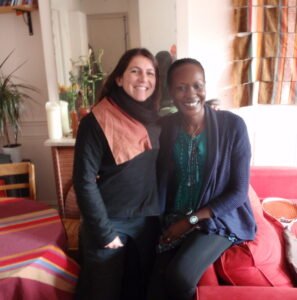
That in-between feeling remains, but you learn to sit with it.
7. Transport Depends on Where You Live
In cities, public transport works well. Buses, trams, metros, bikes, and trains make it easy to move around. Even traveling between regions is efficient, especially with the TGV.
You simply need a transport card, which you load and use. In the countryside, it is different. A car becomes necessary, and having a driving license is essential. If you need to go through the full process of getting one in France, it can take months. But eventually you will be set.
I came to understand that where you live shapes your independence in ways you may not expect.
8. Everything Has a Schedule
Daily life follows structure, especially in smaller towns and the countryside.
Restaurants do not stay open all day. They open for lunch, close, and then reopen for dinner. If you arrive outside those hours, you will not be served. Supermarkets, boulangeries, and patisseries also follow fixed schedules. The one in my village, for example, does not open on Mondays and closes over lunch.
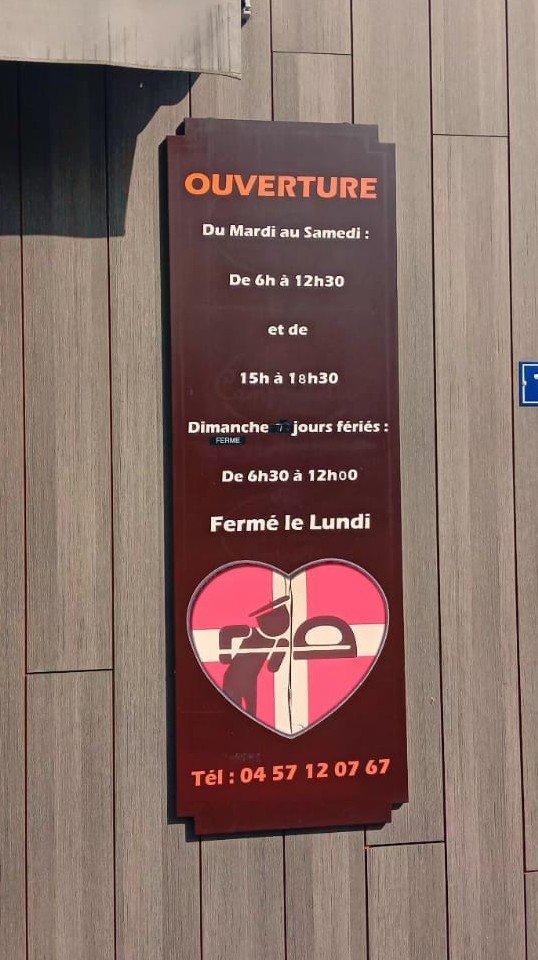
If you arrive outside service hours, there is little flexibility. You wait or come back another time.
9. Winter Is Not Just Cold
Winter is something you feel deeply.
It affects your skin, your energy, your mood. Days are shorter, people withdraw into their homes, and life slows down significantly. In the countryside, it can feel especially quiet, almost like everything is in pause.
If you arrive without a support system, it can be very tough. Taking care of yourself becomes essential. Supplements like Omega 3 and Vitamin D help. A good moisturizer also becomes non negotiable. I tried several before finding what worked for me, and now I move between La Roche Posay and Uriage.
10. Bring Only What You Need
Bring only what you can carry. When we moved here, we came with 10 suitcases, hired a van and it was quiet the site and the worst part is we ended up not using half the things we brought with us.
Even with efficient public transport, you will be moving with your own luggage through trains, buses, and stations. Taxis are an option, but once you start converting the cost into Kenya shillings, it can be stressful. I learned this the hard way, dragging multiple suitcases, a carry on, and feeling completely exhausted and frustrated.
I remember a friend visiting from Kenya after traveling through Italy and Spain, shopping along the way. By the time she arrived, she looked completely worn out from pulling all that luggage, especially in the summer heat. She had to get an uber whilst in Paris to drop her to the airport. She visited for a second time and had learnt.
11. Know Why You Are Coming
Be clear about your purpose. France offers many opportunities, but it can also be distracting. You will want to explore, travel, experience everything, and there is nothing wrong with that.
But at the same time, it is important to stay grounded in why you came. Whether it is to study, work, learn the language, or build a life, that clarity helps guide your decisions.
Without it, it is easy to lose direction.
Living Between Expectations and Reality
Life in France is not exactly what you imagine before arriving, but it is also not less. It is simply different. There is structure, security, and opportunity. There is also slowness, distance, and moments of doubt. You learn to exist between these realities. To adapt, to question, and to grow within that space. And over time, that in-between space begins to feel like its own kind of home.


You May Also Like

2 Comments
Irvine Carol Owuor
This is honestly an article that every newcomer should be handed before even thinking of coming in to the country. Thank you so much for the insights , Anyway, let me look for all my documents and save them
diasporaunfolding@gmail.com
Thank you, Irvine. I was actually reading yesterday about someone who had arrived in France and ended up stuck at the airport, needing assistance. It really made me pause. I found myself wondering how someone could take such a significant risk, coming all the way to a new country without a clear plan or support system in place. Migration is not just movement, it’s transition. And without some level of preparation, it can quickly become overwhelming. It is a reminder of how important it is to plan, to understand the systems, and to have at least a basic safety net before making that journey.