Why France Is Looking Toward Kenya, And What That Means for the African Diaspora in France
Over the last few years, France has been quietly turning its attention toward Kenya and East Africa. On the surface, the relationship appears to revolve around business, innovation, climate partnerships, entrepreneurship, education, and diplomacy. But beneath all of that sits a much larger story about influence, migration, identity, and the future of Africa-Europe relations.
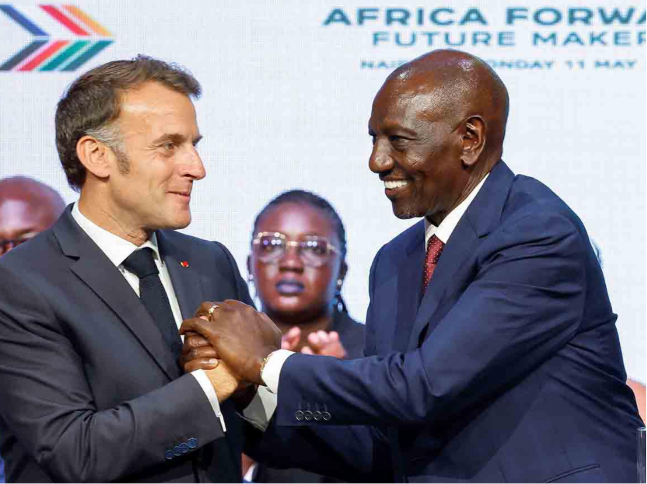
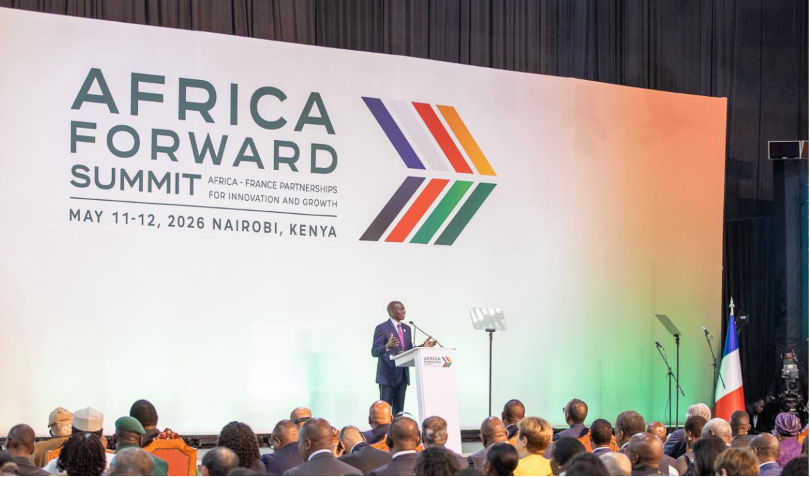
Today, I had the opportunity to virtually attend the opening session of the Africa Forward Summit, where Presidents William Ruto and Emmanuel Macron engaged with young African entrepreneurs and innovators helping shape the future of the continent.
A few voices stood out to me, particularly Kate Kallot from Amini and Mathias Léopoldie from Julaya Listening to young Africans building technologies, companies, and solutions from within the continent itself felt deeply inspiring. There was a quiet but undeniable sense of confidence, ambition, and possibility in the room.
Moments like these often leave many of us in the diaspora with mixed emotions, pride, admiration, reflection, and sometimes even a quiet longing to reconnect more deeply with home.
One image that particularly caught my attention was President Macron jogging through the streets of Nairobi alongside Kenya’s marathon legends. On one hand, moments like these can feel symbolic, carefully curated political imagery designed to communicate closeness, youthfulness, partnership, and solidarity. Modern diplomacy is no longer only about formal speeches and state visits. It is increasingly about optics, relatability, and public perception. Some of us have mastered that skill remarkably well.
But at the same time, I do not think France’s growing interest in Kenya and Anglophone Africa is entirely performative.

There seems to be a genuine recognition that Africa is changing, and that the continent’s future will increasingly be shaped by countries like Kenya, through technology, entrepreneurship, climate leadership, sports, culture, innovation, and a globally connected young population. Kenya’s growing tech ecosystem, often referred to as the Silicon Savannah, represents something France appears eager to engage with, a confident and outward-looking African generation reshaping the global narrative about Africa itself.
As someone living in France while remaining deeply connected to Africa, I find this evolving relationship between France and Kenya both fascinating and layered.
For decades, France’s strongest influence on the continent remained concentrated within Francophone Africa. But shifting African perspectives, political tensions, demographic changes, and changing global alliances are forcing France to rethink its place across the continent. Kenya, with its growing economy, diplomatic influence, innovation hubs, and youthful population, represents stability, opportunity, and access to a different generation of African leadership.
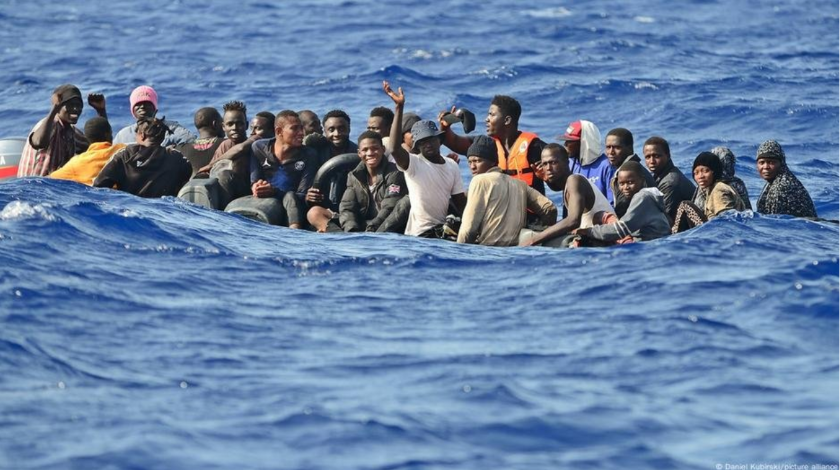
At the same time, many Africans continue looking toward Europe as a place of opportunity, often without fully understanding the emotional, cultural, and identity shifts migration can bring.

This is where the conversation becomes more nuanced.
From the outside, Europe can still appear deeply attractive, functioning systems, infrastructure, mobility, security, and economic opportunity. And while many of those things are real, there is also another side that many diaspora communities quietly navigate every day, loneliness, invisibility, racism, cultural disconnection, integration struggles, identity confusion, and the emotional exhaustion of constantly adapting.
These are some of the realities that inspired Diaspora Unfolding.
The platform was born from lived experiences navigating life as an African woman in the French countryside, a space where difference becomes highly visible, and where belonging is often something you must actively negotiate. Through storytelling and reflection, Diaspora Unfolding seeks to move beyond romanticized narratives of migration and create more honest conversations around what life abroad actually looks like.
What stood out to me during the summit discussions was that while migration remains indirectly connected to these conversations, the realities of Africans already living on the other side are still rarely discussed openly. Beyond the summits, startup ecosystems, diplomatic partnerships, and political gestures are real people trying to build lives between continents.
Africans raising children far from home. Africans navigating identity and belonging. Africans trying to integrate while still holding onto culture, language, and self. Africans questioning whether the dream they imagined abroad truly matches reality. This is why conversations around Africa-Europe relations cannot only be economic or political.
They must also be human. The question should no longer simply be, “How do we get to Europe?”
But also:
“What are we leaving behind?”
“What kind of life are we truly seeking?”
“And what does this evolving Africa-Europe relationship actually mean for Africans already living in Europe?”
Africa is changing. Europe is changing too.
And perhaps the future of Africa-Europe relationships will depend less on old power structures, and more on honest dialogue, mutual respect, cultural exchange, and Africans confidently defining their own narratives, both on the continent and across the diaspora.

You May Also Like
Diaspora Unfolding: Reflections on Life Across Cultures