
Understanding Immigration and Legal Pathways in France.
One of the first things you learn after moving to France is that your life begins to exist on paper.
Before you can fully settle, before you can feel stable, before you can plan ahead, there is always a document to obtain, renew, or validate. A visa, a residence permit, a registration. Each step confirms your place, but also reminds you that your presence is still being processed.
It is a quiet but constant reality. One of the most important things to understand before moving to France is that the country operates through very structured legal pathways. Everything begins with documentation.

Visas, residency permits, work authorization, and administrative registration form the foundation of building a legal life here. Many people underestimate how central these systems are until they arrive and realize that almost every aspect of daily life depends on them.
In many ways, your ability to settle, work, access services, and move forward is tied to how well your documents align. Before continuing, it is important to say that I am not a legal expert or immigration advisor. What I share here comes from my own experience navigating the system and learning along the way. France has a clear immigration structure, but understanding it takes patience, and at times, resilience.
Where to Find Reliable Information
One of the first things I learned is that most administrative information is available online through official government platforms in French and English.
At first, these websites can feel overwhelming. The language is formal, the processes are detailed, and it can feel like you are trying to understand a system that was not designed with you in mind.
But they are the safest place to begin.
The main government platform explaining administrative procedures is Service-Public.fr. It provides information on visas, residency permits, housing procedures, healthcare registration, and many other aspects of daily life. Another important institution is the French Office for Immigration and Integration, OFII, which supports newcomers as they settle into French society.
Many residence permit applications and visa validations are processed through the platform Administration Numérique pour les Étrangers en France (ANEF). For international students, the process usually begins through Campus France.
Learning how to navigate these platforms early does more than save time. It gives you a sense of orientation in a system that can otherwise feel distant.
The Importance of Following Official Channels

One of the most important pieces of advice I can give is to always follow official channels.
There are no shortcuts. The system is structured, and trying to bypass it often creates more difficulties later. Do not rely on brokers or middlemen who promise to facilitate visas or employment quickly. Many people have been misled by individuals claiming they can arrange documents or job opportunities abroad.
Arriving without proper documentation places you in a vulnerable position. Your options become limited, and your ability to move forward becomes uncertain. The safest path is always through official procedures. Depending on your purpose, work, study, family reunification, or exchange programs such as Erasmus, the visa process can take one to three months, and sometimes longer.
Understanding this timeline early helps you plan with more clarity.
Understanding the Titre de Séjour
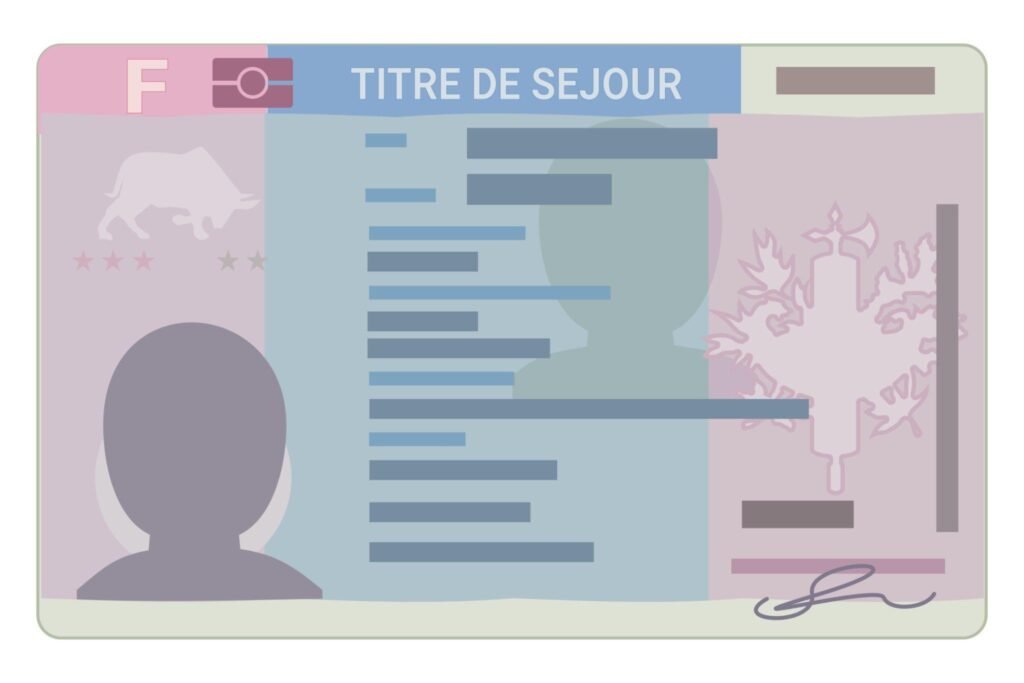
Once you arrive for a long-term stay, you will eventually apply for a residency permit known as the titre de séjour. This document confirms your legal right to remain in France beyond your initial visa. It becomes one of the most important documents you hold.
In many cases, the first permit is issued for one year and must be renewed before it expires. The renewal process involves submitting updated documents and paying a government tax, often around 225 euros, depending on the type of permit.
Over time, some residents become eligible for longer permits, and eventually for a ten-year residence card or citizenship. But in the early years, there is often a quiet awareness that your life is still conditional. That stability comes step by step, approval by approval.
Integration Support for Newcomers
Another part of settling in France involves engaging with integration services. New arrivals are often invited to attend sessions organized by the French Office for Immigration and Integration.
These sessions introduce French institutions, rights, and responsibilities. They may also offer language classes, housing guidance, and practical advice. They offer certificate of attendance that is usually is a requirement of renewing your residence permit. I did not understand the importance of it and lost of the certificates, could not go back to OFII, to this day, that has been one of my worst nightmares.
For many, this becomes an early point of contact with the system. But integration does not happen in a classroom alone. It unfolds in daily life, in conversations, in mistakes, and in small moments of understanding that build over time.
Understanding the Employment Reality
Another area that surprises many newcomers is employment. Especially coming in from a professional career setting as an African. If you require a visa to work in France, you usually need a job offer from a French employer willing to sponsor your application.
In many cases, the employer must demonstrate that no suitable candidate from France or the European Union could fill the position. There are also additional administrative costs for hiring non-EU nationals.
As a result, many companies hesitate unless the candidate has specialized skills. For this reason, jobs such as cleaning, catering, or hospitality are rarely offered to applicants outside the European Union. Understanding this reality early helps you approach the system with realism rather than expectation.
The Young Au Pair Visa
Another pathway some young people use is the Young Au Pair Visa. This program allows young foreigners to live with a French host family, assist with childcare, and attend language classes.
Applicants are usually between 18 and 30 years old and are expected to have some basic knowledge of French or a willingness to learn. The host family provides accommodation, meals, and a small allowance. Both parties sign an agreement outlining responsibilities, usually around 25 hours of work per week.
After confirming a host family, the visa application is submitted through the French consulate. While many experiences are positive, it is important to remember that this program is designed for cultural exchange, not full employment. Experiences can vary, and preparation matters.
Why Preparation Matters
The administrative process in France can feel slow. Documents take time. Appointments require patience. Communication often happens through formal channels rather than quick responses.
At times, it can feel like your life is paused while waiting for paperwork to move forward. But once the administrative pieces fall into place, things begin to shift. Life becomes more stable. Decisions become easier. You begin to feel more anchored.
What I have come to understand is that France rewards patience, organization, and persistence. Understanding the system early does not remove the challenges, but it allows you to move through them with more clarity.

And in many ways, that is part of the larger story of living in the diaspora, you learn to build a life step by step, document by document, until one day, what once felt temporary begins to feel like something you can stand on.

