Renting a House in France: Expectations vs Reality
When we first started looking for a place to live in France, I assumed the process would be fairly straightforward. You find a home you like, speak with the owner, agree on the rent, and move in.
In reality, renting a home in France is a bit more layered than that.
Like many things here, the process runs on paperwork, procedures, and patience. Over time, I came to understand that finding a home is not just about liking the house. It is also about presenting yourself on paper, convincingly, and waiting for a decision that is not entirely in your control.
For many of us arriving from elsewhere, this is one of the first moments where you feel it clearly. You are not just looking for a home, you are also being assessed.
The Rental File
In France, most landlords will ask for a detailed dossier.
This often includes identification documents, proof of income, employment contracts, tax records, and sometimes a guarantor who agrees to cover the rent if needed.
On the surface, it is administrative. But in practice, it can feel more personal than expected. Your life is reduced to documents. Your stability, your reliability, even your “fit” as a tenant is interpreted through papers. Once selected, you sign a lease agreement known as a bail. For unfurnished properties, this is typically three years, while furnished rentals usually run for one year.
Before moving in, an inspection called the état des lieux is carried out. This is a detailed inventory of the property’s condition, designed to prevent disputes when you eventually move out. While similar systems exist elsewhere, the level of detail here can be surprisingly thorough.
Where to Search for Rentals
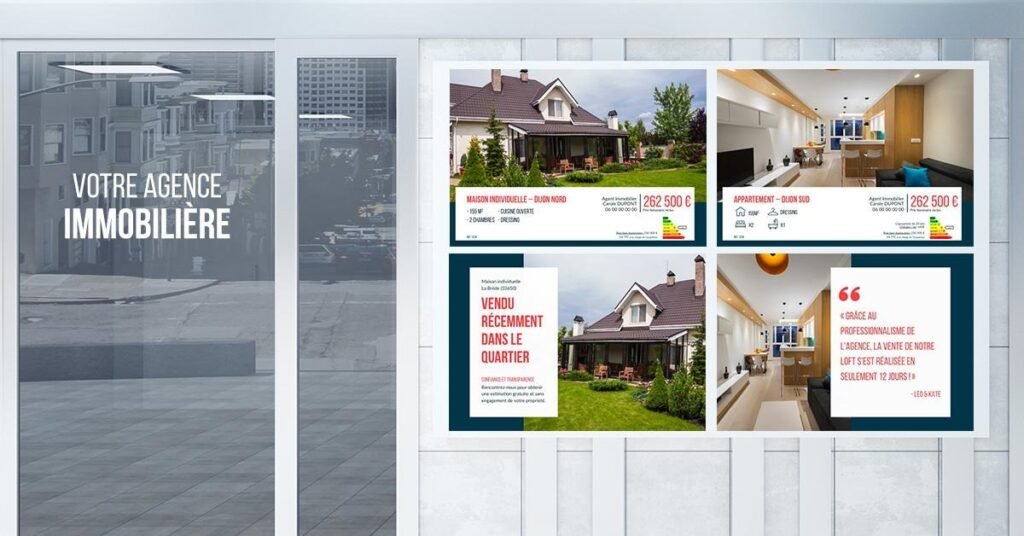
Most housing searches begin online.
Platforms like SeLoger, Leboncoin, and PAP quickly become part of your daily routine. You filter by city, budget, and number of rooms, refreshing listings more often than you’d like to admit. It is a process that requires consistency as much as luck.
City Living Versus the Countryside
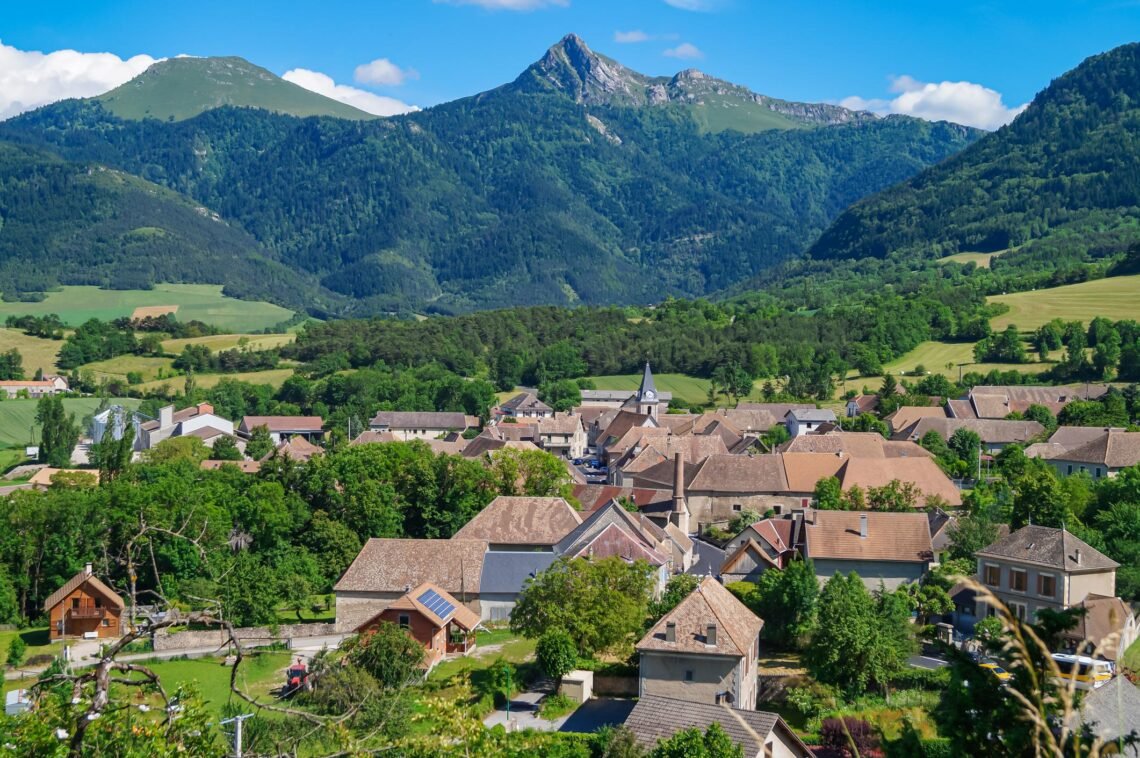
Location plays a major role in cost. In cities like Paris or Lyon, prices can be significantly higher, often for smaller spaces. Moving away from city centers into smaller towns or villages can make a noticeable difference. You may find larger homes, outdoor space, and quieter surroundings for the same price or even less.
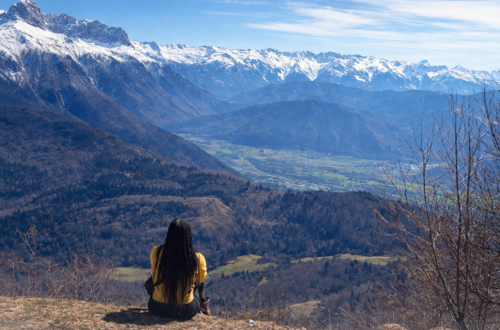
At first, living in the countryside can feel isolating, especially if you are used to the energy and movement of African cities. The silence is different. The pace is different. But one thing that surprised me is how well connected many parts of France are. Even in smaller villages, it often takes about thirty minutes to reach a larger town.
Over time, the stillness begins to feel less like absence and more like a different kind of presence.
The Landlord’s Decision
One aspect of renting in France that can feel uncomfortable is that the final decision always rests with the landlord. Even with a strong file, stable income, and complete documentation, the choice ultimately comes down to whether the owner feels confident renting to you.
For foreigners, particularly those coming from outside Europe, this can sometimes add an extra layer of uncertainty. It does not happen in every case, but it is something many newcomers quietly navigate. It is rarely explicit. But you become aware of it in subtle ways, in unanswered messages, in hesitation, in the sense that you are being read beyond your file.
Understanding this dynamic early on helps manage expectations, even if it does not make the process easier.
Energy Efficiency: Something You Learn the Hard Way if you are coming from Africa
One thing I wish I had paid more attention to from the beginning is energy efficiency.
In France, every property is given an energy rating known as the Diagnostic de Performance Énergétique (DPE). This rating ranges from A to G.
At first, it may seem like just another technical detail. But in reality, it shapes your daily comfort in very real ways.
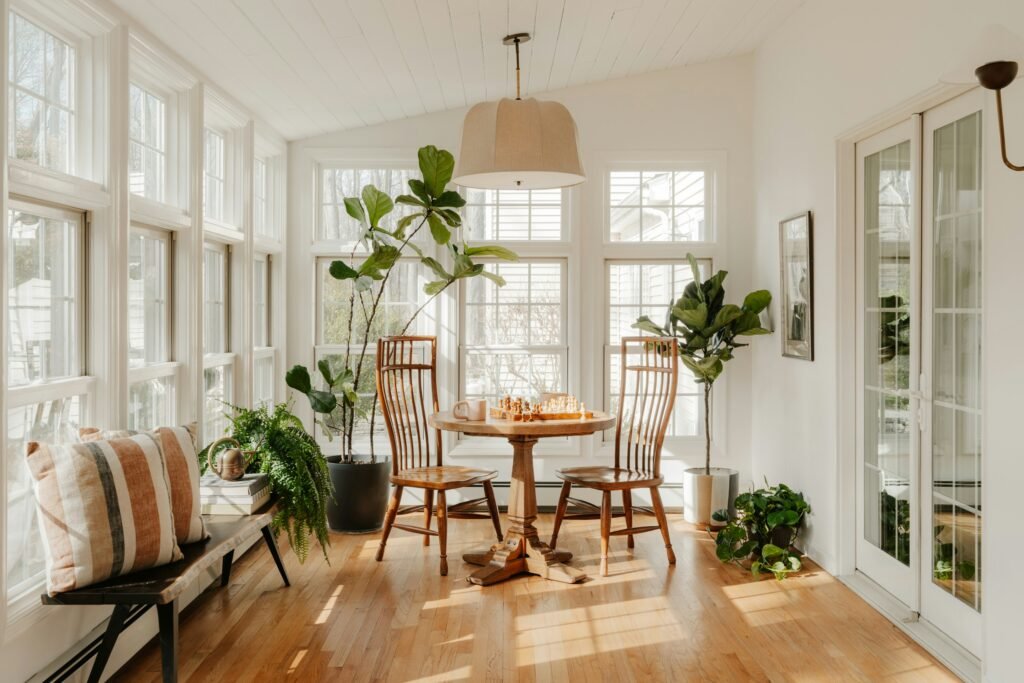
The house we currently live in has poor insulation, and I absolutely loathe it during winter. It is constantly cold. You can literally feel cold air finding its way in through small gaps. Over time, I have learnt to seal what I can, blocking drafts wherever possible just to make the space bearable.
Even then, the cold lingers. Some days, the only way to feel warm is to step into the shower. I find myself taking three to four showers a day, not out of routine, but simply to warm my body.
For someone coming from a warmer climate, this can be quite a shock. You assume the house will protect you from the cold, but that is not always the case. It is one of those lessons you do not fully understand until you live through it.
If you can, look for properties rated A to C. Even D can be manageable. Anything lower often means higher energy bills and less comfort throughout the year.
Alternative Living Arrangements
Renting privately is not the only option.
Some people choose shared housing, which reduces costs and can make the transition easier, especially when first arriving. In rural areas, there are also arrangements where you live with elderly residents in exchange for companionship or light help around the home. Others stay on farms or countryside properties in exchange for basic support.
These setups rely heavily on trust, so they are not for everyone. But for some, they offer a different and more affordable way to experience life in France.
Adjusting Your Expectations
Another adjustment for many newcomers is the size and layout of homes. Compared to houses in Kenya or other African countries I have been to, French homes can feel smaller. Storage is often limited, and built-in wardrobes are not always standard.
At first, this was very strange for me. But over time you begin to notice other things. The calm, the safety, the infrastructure, the quiet beauty of everyday life. The house becomes less about space and more about how it holds your life as it is now, not as it used to be.
My Final Thoughts
Finding a home in France requires patience, organization, and resilience. There will be paperwork, waiting, and sometimes disappointment. But once you find the right place, having a stable home makes everything else easier, from navigating administrative systems to settling into daily life.
Like many parts of migration, it is not always simple. And it is never just practical.
It is also, in quiet ways, about learning how to make space for yourself in a place that is still learning how to receive you. But slowly, over time, it becomes part of building something new.
If you are navigating housing in France, you may also find it helpful to read about Finding Housing in France Without a Guarantor.


You May Also Like

A Magical Weekend in the Vercors: Hiking, Bivouacking and a Super Guide
Being African in a French Countryside: Curiosity, Kindness, and the Unexpected Moments.