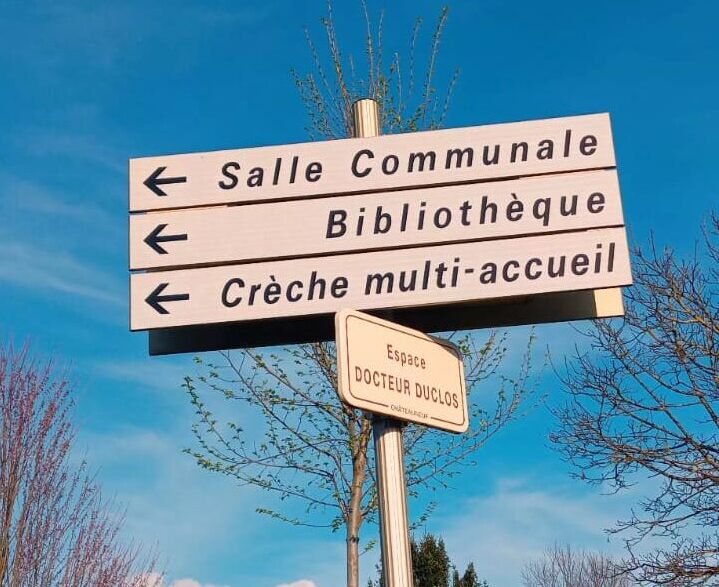
Childcare in France,Creche, Nounou, Garderie….. explained
It usually begins with a simple question, but one that carries more weight than you expect.
Who looks after the children when you have to work?
I remember standing at the school gates during one of our first weeks in France, watching how everything seemed to move effortlessly. Parents arrived, dropped off their children, exchanged a few quick words, and left. There was a rhythm to it, one that everyone seemed to understand except me.
Back home, childcare had always been something you could figure out within your community. Family stepped in. Someone always knew someone. There was flexibility.
Here, there was a system. And I had to learn it.
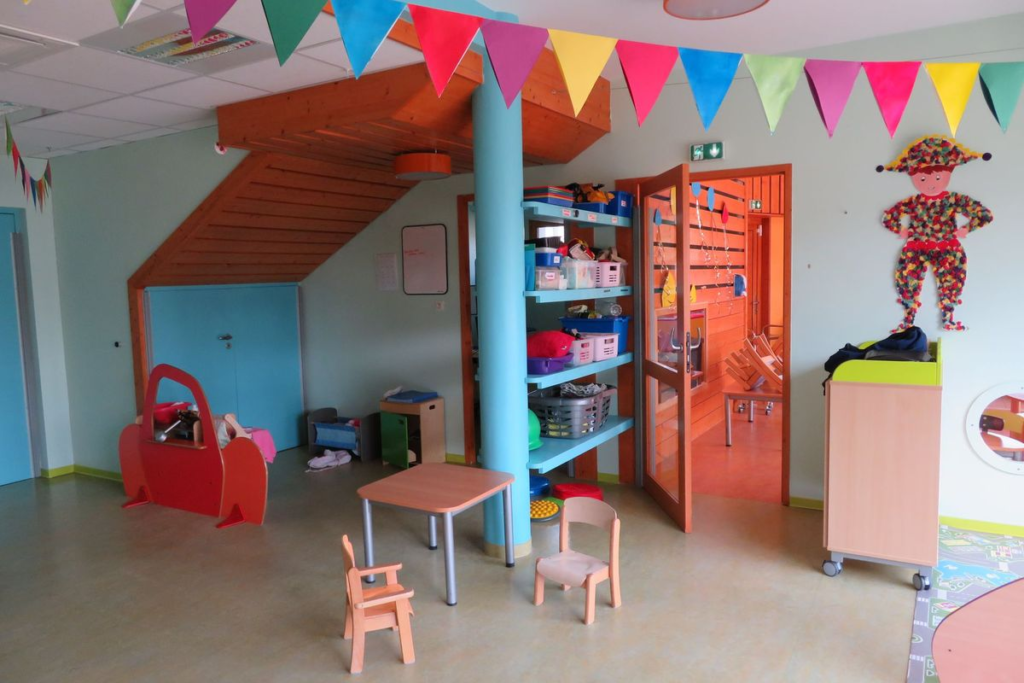

Crèche
For very young children, one of the main options is the crèche, an early childcare center that typically accepts children from about two and a half months old until they begin preschool.
At first, the idea felt formal. Structured hours, applications, waiting lists. It was not something you could arrange casually.
But over time, I began to understand the logic behind it.
Crèches in France are often supported by local municipalities, which means the cost is not fixed. What you pay depends on your financial situation, and this is where something called the quotient familial comes in.
The quotient familial is calculated by the CAF, the family allowance system in France, and it determines how much you pay not only for crèche, but also for other services like school meals and after-school care. If you are registered with the CAF, this calculation is done automatically. If not, you will need to provide documents such as your payslips so that the crèche or local administration can assess your fees.
There is also the possibility of receiving CAF subsidies, particularly if you employ a child-minder and declare their salary properly. This is an important detail, because it can significantly reduce childcare costs.
What becomes clear quite quickly is that planning is essential. Spaces in crèches are limited, and applications often need to be submitted months in advance.
Nounou
Another option many families consider is a nounou, a registered child-minder.
Unlike informal childcare arrangements that are common in many places, nounous in France are certified by the state. They are trained, regularly inspected, and authorized to care for a limited number of children, usually in their own home.
This was one of the biggest adjustments for me, understanding how formal everything is. You sign a contract, agree on hours, responsibilities, and payment. It is structured, but it also creates clarity.
If you declare your nounou properly, you may be eligible for CAF support, which can make this option more affordable than it first appears.
For many families, this balance between flexibility and structure is what makes the nounou system work well.
Garderie
As children grow older and begin school, another system quietly becomes essential, the garderie.
This is before and after school care, organized by the commune or the school itself, and it plays a crucial role for working parents.
This is something we came to rely on quite naturally. We enrolled both of our children in the garderie because it is located close to the school, which made daily life much easier. There was no need to rush across town or coordinate complicated pickups.
Now that our daughter has moved on to upper primary ( college in French system), it is only our son who attends occasionally. Even so, the system remains part of how we organize our days.
One thing you quickly learn is that you need to book in advance. Spaces can fill up relatively quickly, especially in smaller towns, so planning ahead becomes part of the routine.
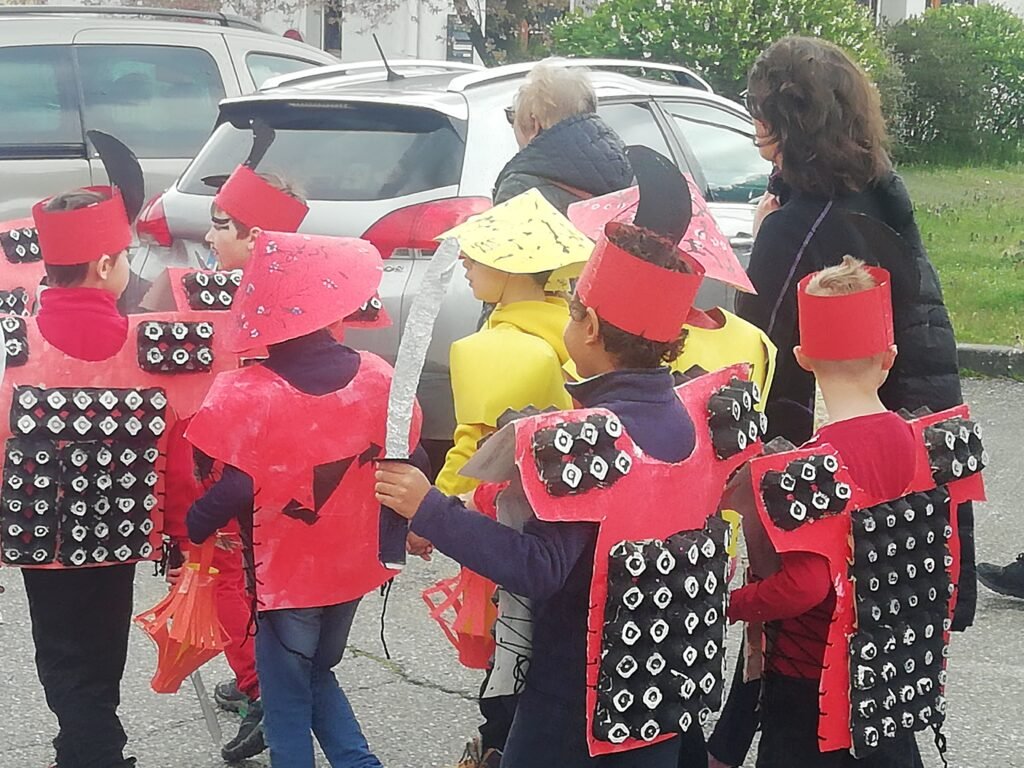
Like the crèche, the cost of garderie, as well as school meals, is also based on the quotient familial calculated by the CAF. Over time, you begin to see how everything is connected.
What I did not fully understand at the beginning is that in France, childcare is not something you arrange informally. It is something you enter into, step by step, through systems that are already in place.
If you are living in the countryside, the best place to start is your local mairie or the prefecture. They have all the information you need and can guide you through the available options. In many ways, they become your one stop shop.
Looking back, that moment at the school gate was less about confusion and more about transition. It was the beginning of understanding a different kind of support system, one that is less visible, but deeply structured.
At first, it can feel unfamiliar. But with time, you begin to find your rhythm.
And like many things in the diaspora, what once felt complicated slowly becomes part of your everyday life.




2 Comments
Veillaud
Je trouve cet article très instructif. Cela m’à aidé à comprendre la garderie et la crèche
Merci encore à toi Lemeria
diasporaunfolding@gmail.com
Merci Maha.