Understanding the French School System as a parent in the diaspora.
When you move to a new country with children, school quickly becomes one of the most important parts of daily life. It shapes routines, friendships, and how children begin to feel that they belong in a new place. When we moved to France, understanding how the school system worked became one of the first things we had to learn.
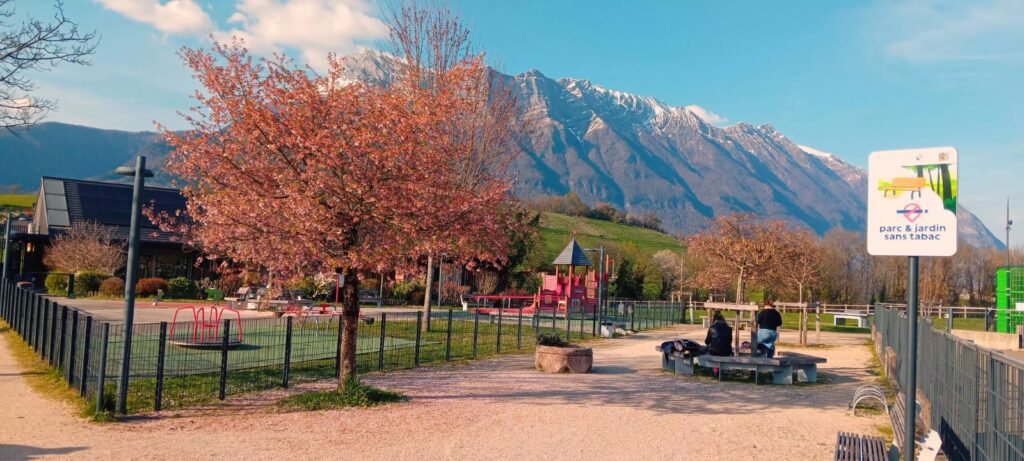
Education in France is free and compulsory from the age of three until sixteen. This means that most children begin school early, usually in maternelle, which is the preschool stage. From there they continue to primary school, then collège, and eventually lycée.
What I quickly noticed is how structured and organized the system is. It runs with a certain clarity and expectation that can feel reassuring, but also unfamiliar at first.
Schools and the Local Commune ( municipality)
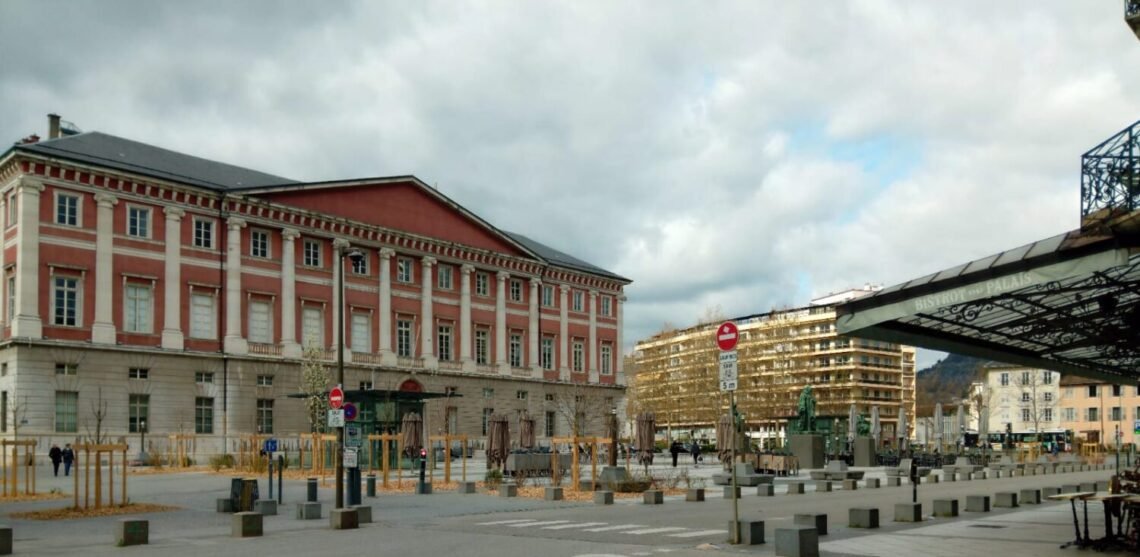
For younger children, schools are closely tied to where you live. In many cases, children attend school within their commune, meaning the local town or village where the family resides. The idea is that younger children go to school close to home, which helps create a connection between the school, the families, and the community.
As children grow older, they often move to a collège (upper primary) that serves several nearby towns within a certain radius. Later, when they reach lycée (high school) or eventually university, they may travel further or even move to another region depending on the program they choose.
This gradual widening of the school environment reflects something larger. Children begin rooted in a local space, then slowly expand outward, much like the experience of living between cultures.
Our Children’s Experience
For our family, the transition into the French school system was not as difficult academically as we had initially feared.
During the years we lived in Kenya and Ethiopia, our children were already attending French schools. Because of that, they were familiar with the curriculum and the general approach to teaching before arriving in France. The adjustment for them was more social than academic.
Suddenly they were in classrooms where they looked different from most of the other children. Children notice differences quickly, and sometimes that leads to curious questions or moments of awkwardness. But children also adapt quickly. Over time they built friendships and found their place in the classroom environment.
As a parent, however, you remain aware that belonging is not always immediate. It develops gradually, often in ways that are not always visible from the outside.
A Different Classroom Culture
Parents coming from Anglophone countries often notice that the classroom culture in France can feel different. French schools tend to emphasize structure, discipline, and academic rigor. Teachers expect students to follow instructions carefully and work independently.
The way feedback is given can also feel more direct than in some Anglophone systems. Positive reinforcement is not always expressed in the same way many parents might be used to. At first this can feel surprising, and sometimes even unsettling. But over time, you begin to understand that it reflects a different educational philosophy rather than a lack of care.
At the same time, the academic program can be quite rich, especially in subjects like mathematics, literature, and philosophy.
The Rhythm of the School Year
One thing that stands out as a parent is how the French school calendar is designed around children’s rhythm. During the academic year there are five main school holidays, spaced throughout the year, in addition to the long summer break. Some of the winter holidays are even organized around the ski season in different regions of the country.
The summer holidays last about two months, which can be wonderful for children. It gives families time to travel, visit relatives, or simply slow down after the school year. At the same time, it can sometimes be challenging for parents who must organize childcare or activities during such a long break, especially when extended family is far away.
Strikes and the Reality of School Life
Another reality of the French education system is the presence of strikes. Teachers and school staff occasionally participate in national strikes, sometimes with short notice. On those days, schools may close or operate on limited schedules.
In recent years there has also been increasing discussion in France about declining education quality in some areas due to teacher shortages and repeated strikes. For parents, this can create logistical challenges, particularly when you are navigating these systems without the support networks you might have had back home.
Despite these challenges, education in France remains widely accessible and continues to be one of the central pillars of society.
Advice for Families Coming into France
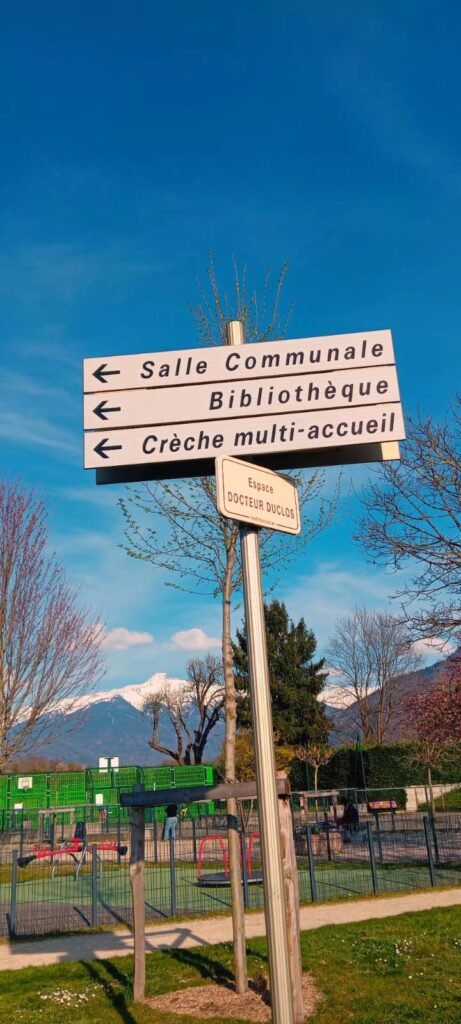
For families arriving from Anglophone countries, there are several options when choosing schools. Many families enroll their children in the public school system, which is free and allows children to integrate quickly into French language and culture.
Others choose private schools under contract with the state. These schools follow the same national curriculum but may offer additional language options or different learning environments.
International schools are another option in larger cities, often offering British, American, or international curricula. However, these schools are usually significantly more expensive.
For families planning to stay in France long term, helping children develop strong French language skills early can make a significant difference in their school experience and sense of belonging.
Finding Your Place
Every education system reflects the society around it.
The French system can feel structured, demanding, and sometimes quite formal. But it also provides strong academic foundations and opportunities for children to grow. For families arriving from abroad, there is always a period of adjustment.
But over time, school often becomes one of the first places where children build friendships, learn the language, and begin to feel at home.
And for parents, it becomes one of the first spaces where you begin to understand how your life, and your children’s lives, are slowly taking root in a place that once felt entirely unfamiliar.




2 Comments
Veillaud
Un commentaire très approfondie qui a beaucoup de détails . Moi même qui suis allé à l’école en France alors que je vivais à l’étranger je trouve ce texte englobe tout sur l’éducation
Merci à Lemeria qui nous guide
diasporaunfolding@gmail.com
Merci beaucoup pour ce message, il me touche sincèrement. C’est particulièrement précieux venant de quelqu’un qui a lui-même vécu le système éducatif français depuis l’étranger. Cela me rassure de savoir que le texte reflète bien la réalité et qu’il a su englober les aspects importants. Mon intention est vraiment de rendre ces expériences plus claires et accessibles, surtout pour ceux qui arrivent ou qui essaient de comprendre comment les choses fonctionnent ici.
Merci encore pour ta confiance et tes encouragements, cela me motive à continuer à partager.