Chasing Cool Air: Following an Ancient Mountain Pass Above France’s Heatwave
Another heatwave.By now, the warnings have become part of everyday life in France. Every radio station reminds us to stay hydrated. Electronic road signs flash messages urging people to avoid the hottest hours of the day. Communes check on elderly residents. Windows remain closed, shutters drawn against the afternoon sun. It is remarkable to think that summer has barely begun.
As temperatures climbed once again across much of the country, my children and I found ourselves asking a simple question that many families across France were probably asking too: Where can we find cool air? Living in Savoie has one enormous privilege. The Alps are never far away. So we packed our camping equipment, filled our backpacks, and left the valley behind.
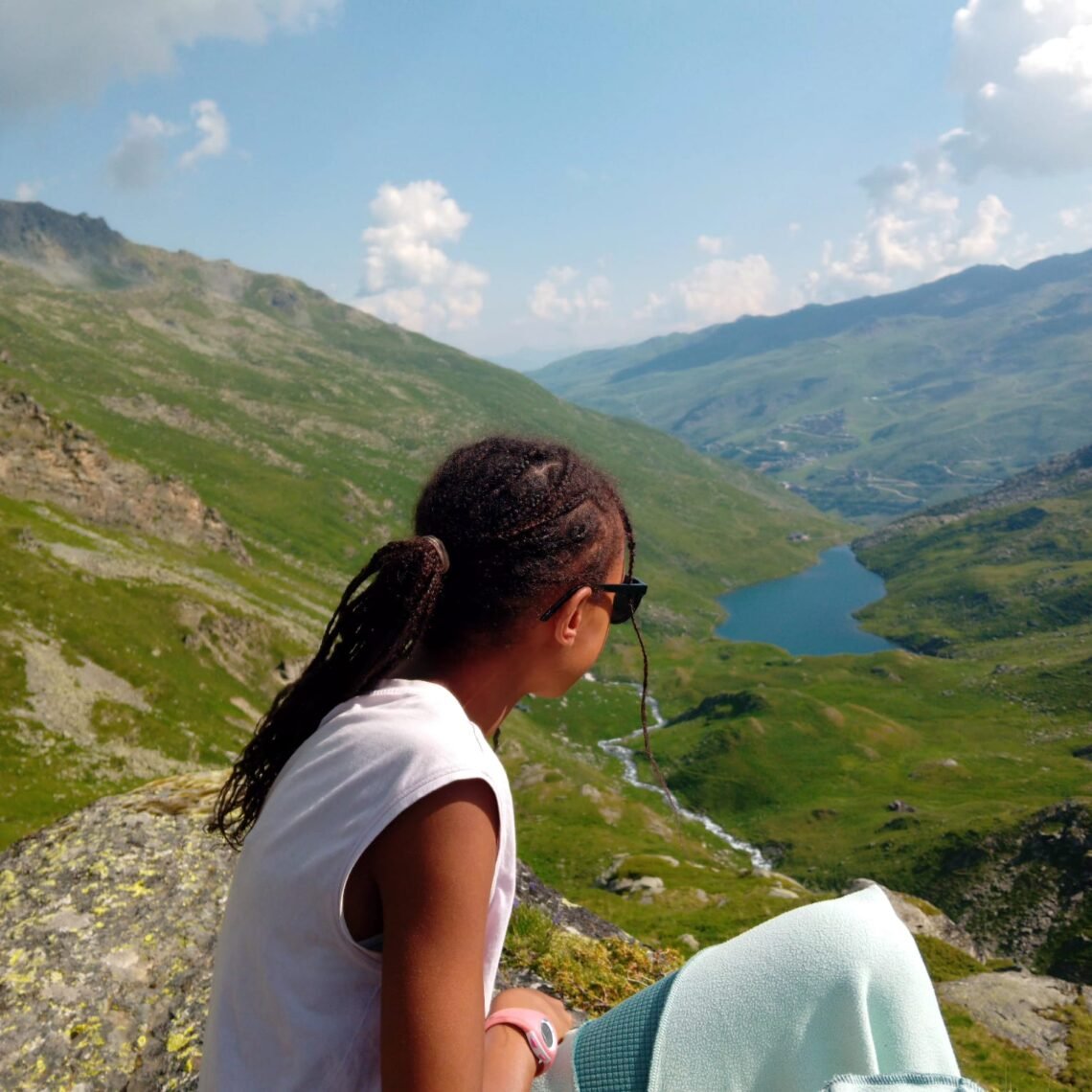
Our destination was Lac du Lou, tucked high above Les Belleville in one of the most beautiful corners of the French Alps.
The plan seemed simple enough. Walk to the lake. Pitch our tent. Spend the night. Escape the heat. Or so we thought.
The Heat Climbed With Us
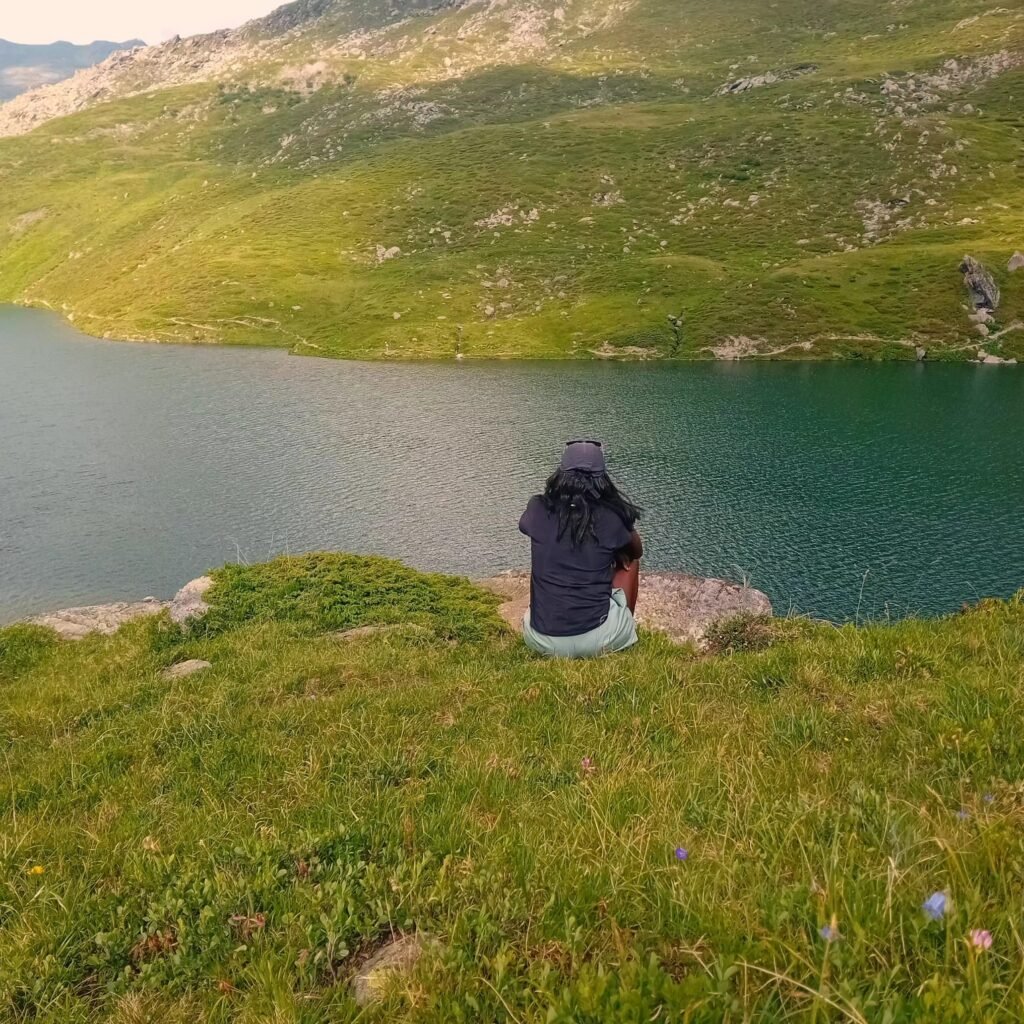
As the winding mountain road carried us higher, I kept expecting the temperature to drop. It barely did. Even at the trailhead near Plan de l’Eau, the morning air was already warm. The same heat that had settled over villages and cities had quietly climbed into the mountains. Our route followed one of the classic alpine trails. The path rose gently through green meadows where wildflowers coloured the landscape and mountain streams tumbled over polished rock. Sheep grazed peacefully, their bells echoing across the valley. Soon we reached Lac du Lou, sitting at just over 2,000 metres above sea level. It was beautiful. Crystal-clear water reflected the surrounding mountains while hikers rested along its shores. Families picnicked beside the lake, children dipped their feet into the icy water, and colourful tents dotted the grassy banks. But this wasn’t where our journey ended for us. It was where it paused.
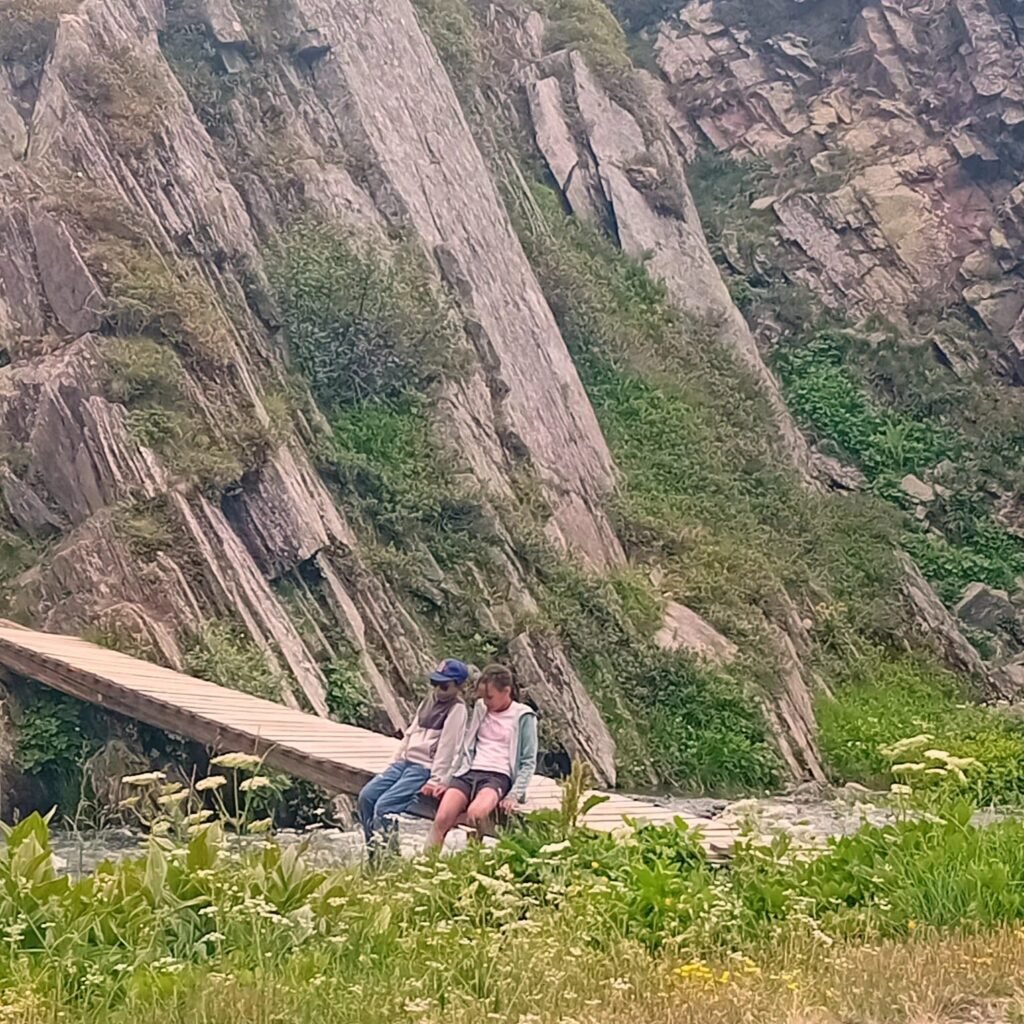
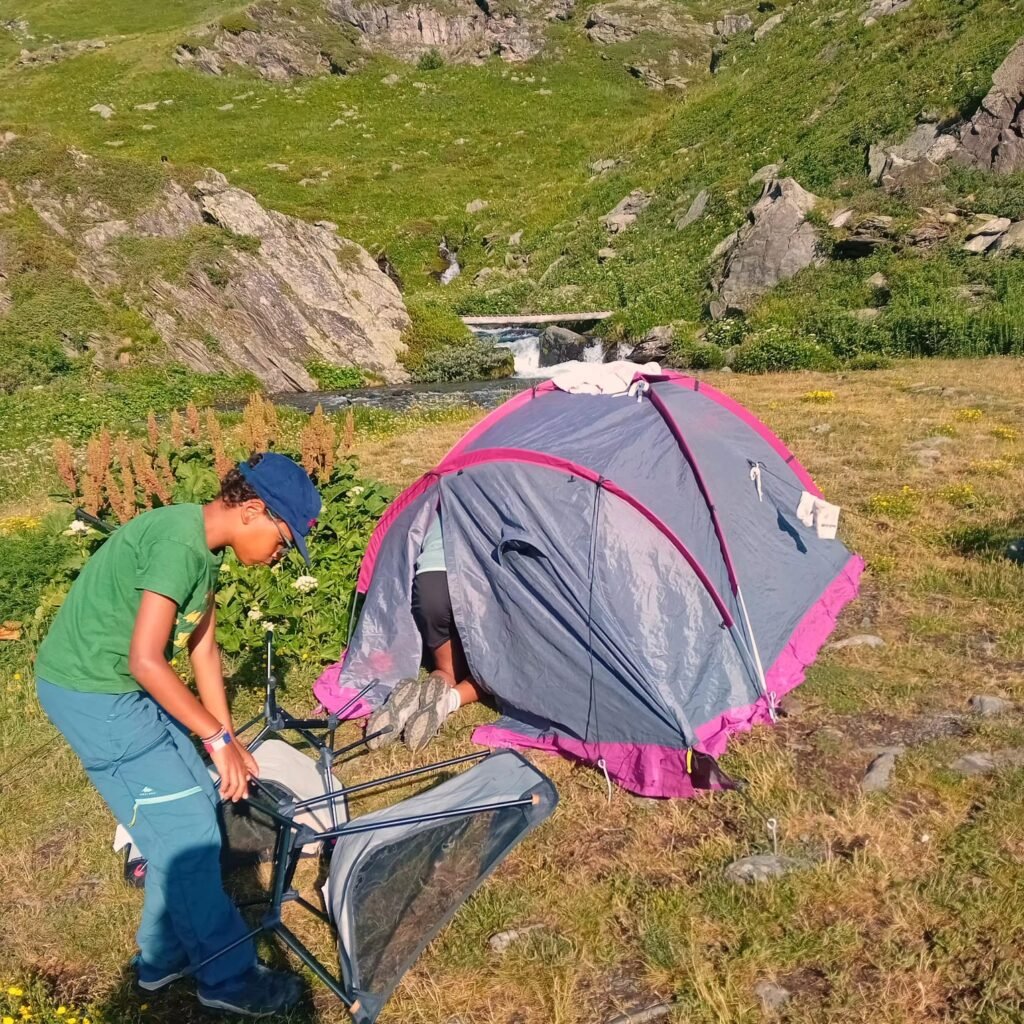
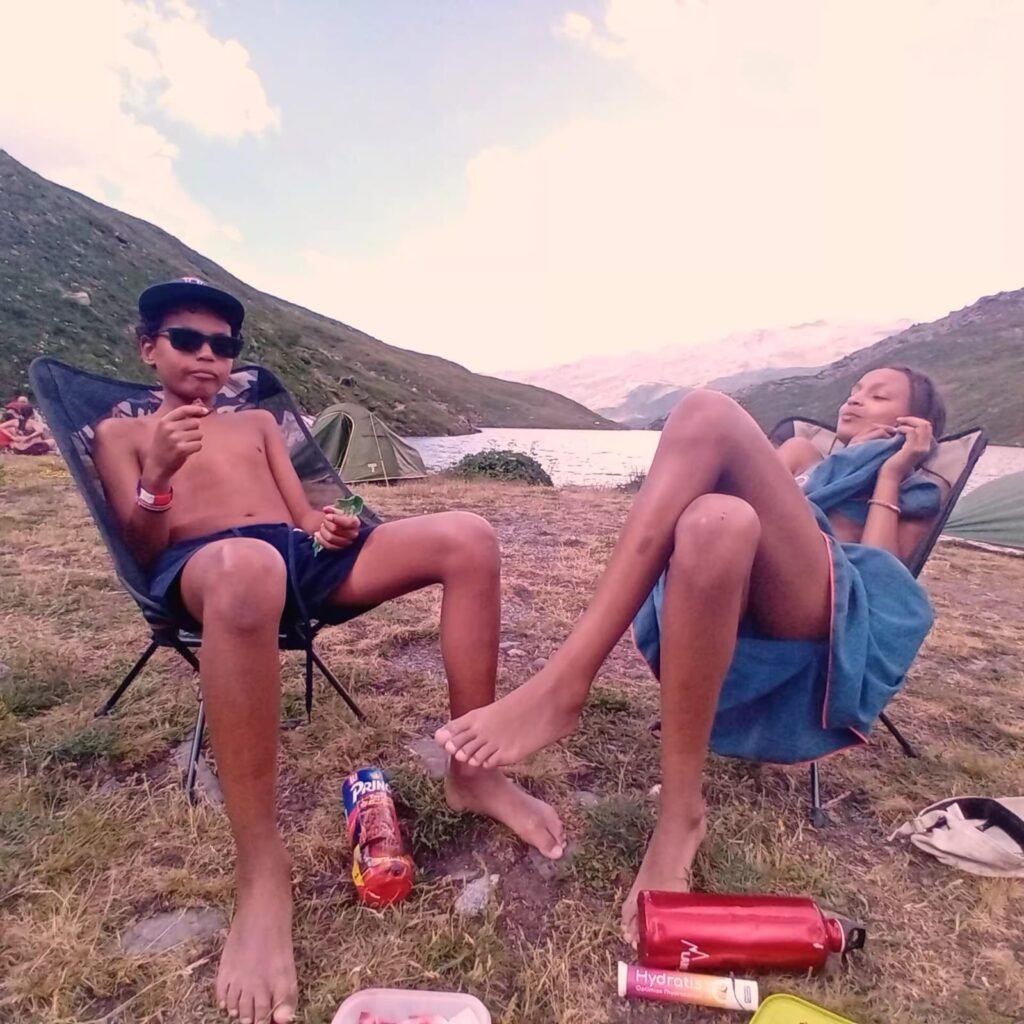
We found a quiet place beside the lake, pitched our tent and settled in for the evening. As the afternoon slowly gave way to evening, the heat that had followed us from the valley finally began to ease. The lake became calmer, reflecting the surrounding peaks like a mirror, while the sound of rushing streams and distant sheepbells replaced the noise of everyday life. There was something wonderfully simple about it. The mountains Echoed. The children wandered along the shoreline, watched the streams feeding the lake and pointed excitedly towards the patches of snow still visible high above us. Somewhere beyond those ridges lay Col de Pierre Blanche, our destination for the following morning.
The next morning, we woke early. The lake was almost silent. Most campers were still asleep, and the first rays of sunlight had begun to paint the surrounding peaks in shades of gold. We left our tent standing, packed only what we needed for the climb, and set off towards Col de Pierre Blanche.
Beyond Lac du Lou, the trail narrowed and began to climb more steeply. Few people realise that the paths around the lake are much older than tourism. For centuries, shepherds moved their livestock across these mountains following the seasons. Traders crossed between neighbouring valleys. Long before ski lifts and marked hiking trails existed, these cols, or mountain passes, connected communities separated by rugged peaks.
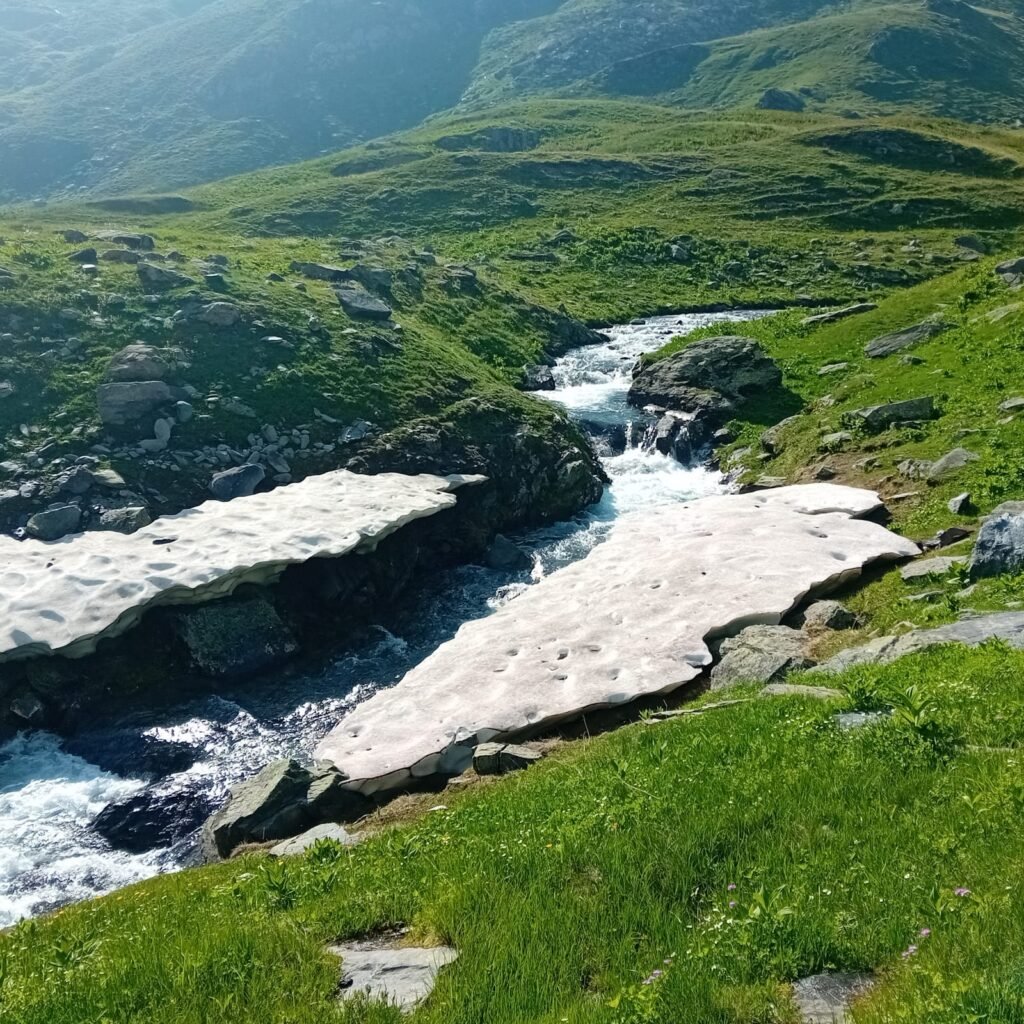
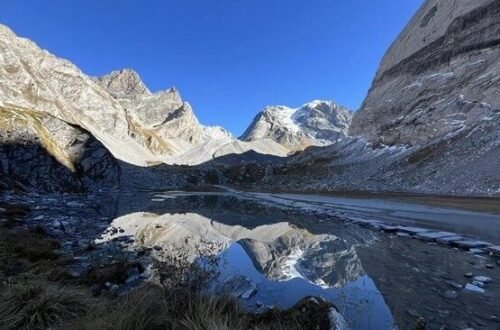
The grasses became shorter. The flowers became fewer. The rocks grew larger. The streams louder. Then came the snow. Thick bridges of compacted winter snow still covered sections of the streams, forcing icy meltwater to rush beneath them before bursting into waterfalls lower down. Standing beside those snow bridges in the middle of a French heatwave felt surreal. Down in the valleys, people were searching desperately for shade. Up here, winter was still quietly refusing to leave.
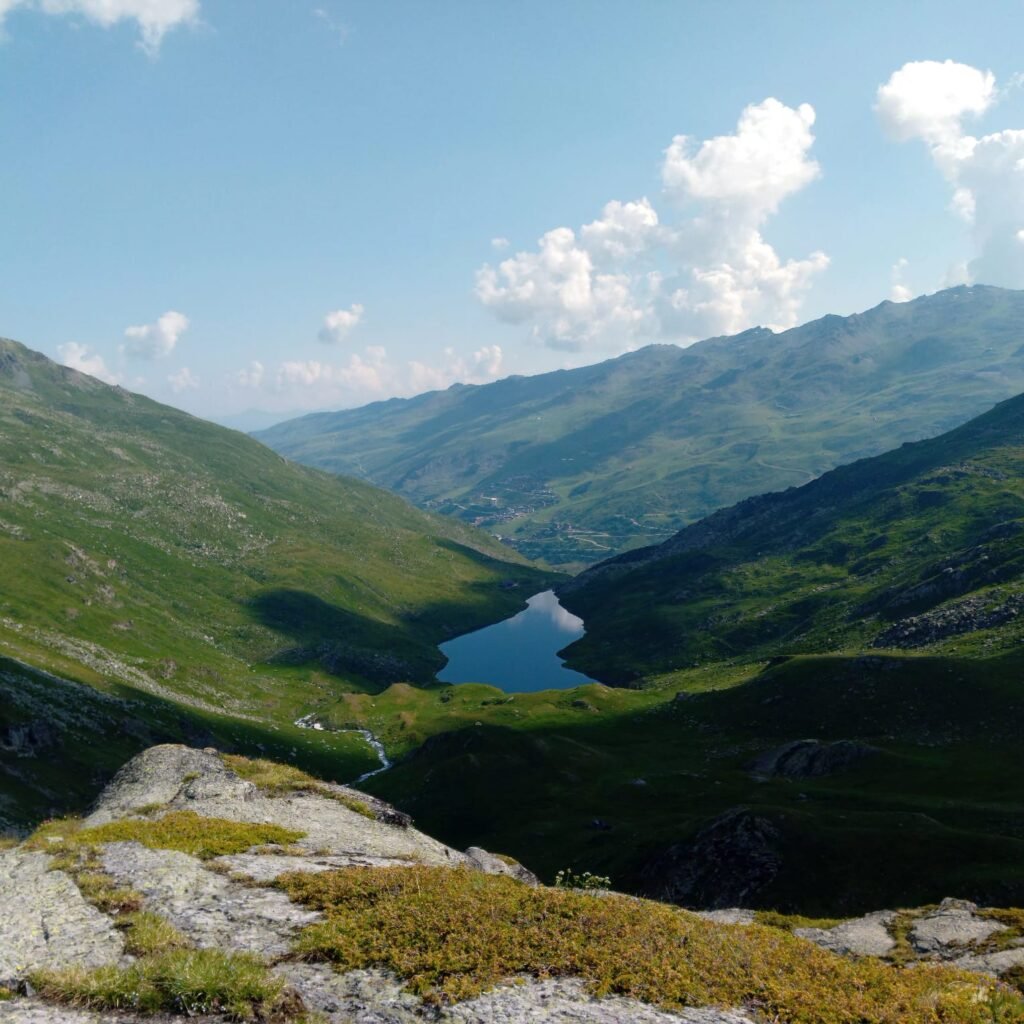
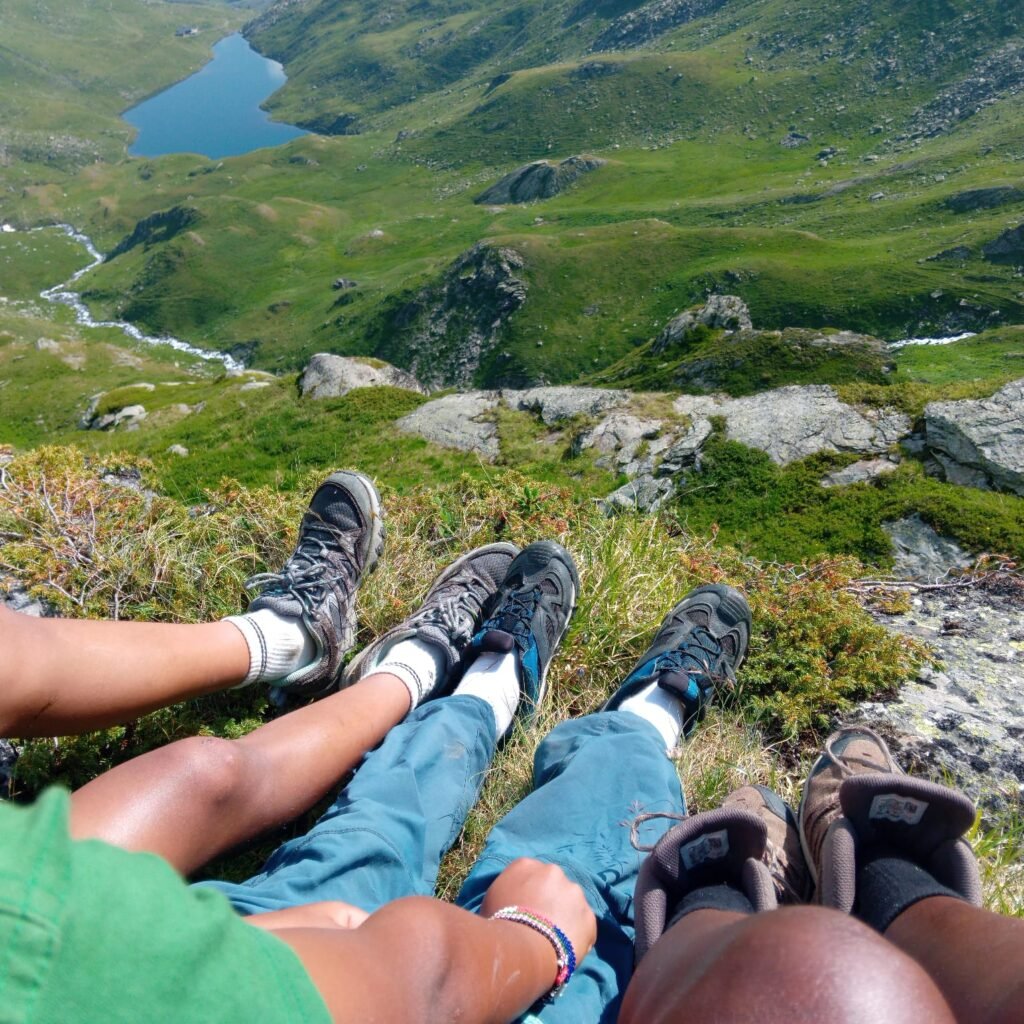
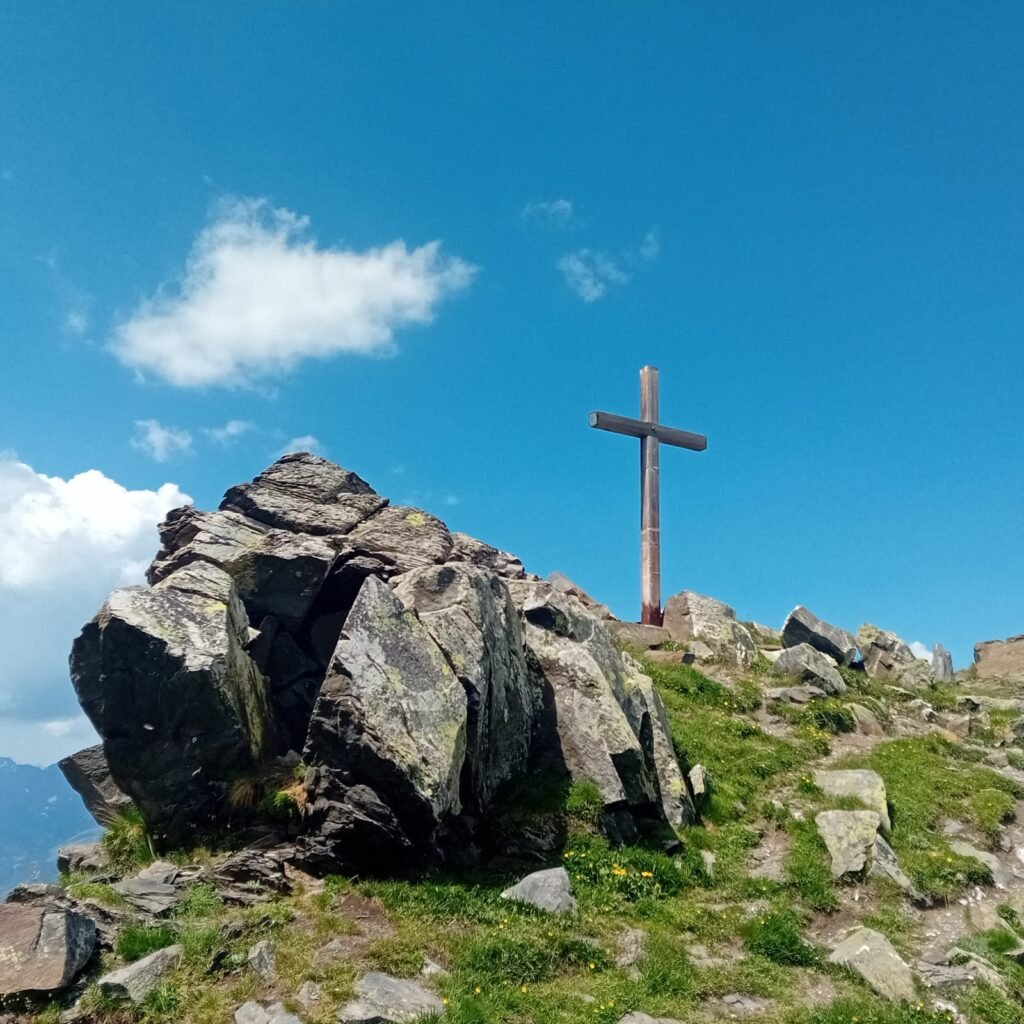
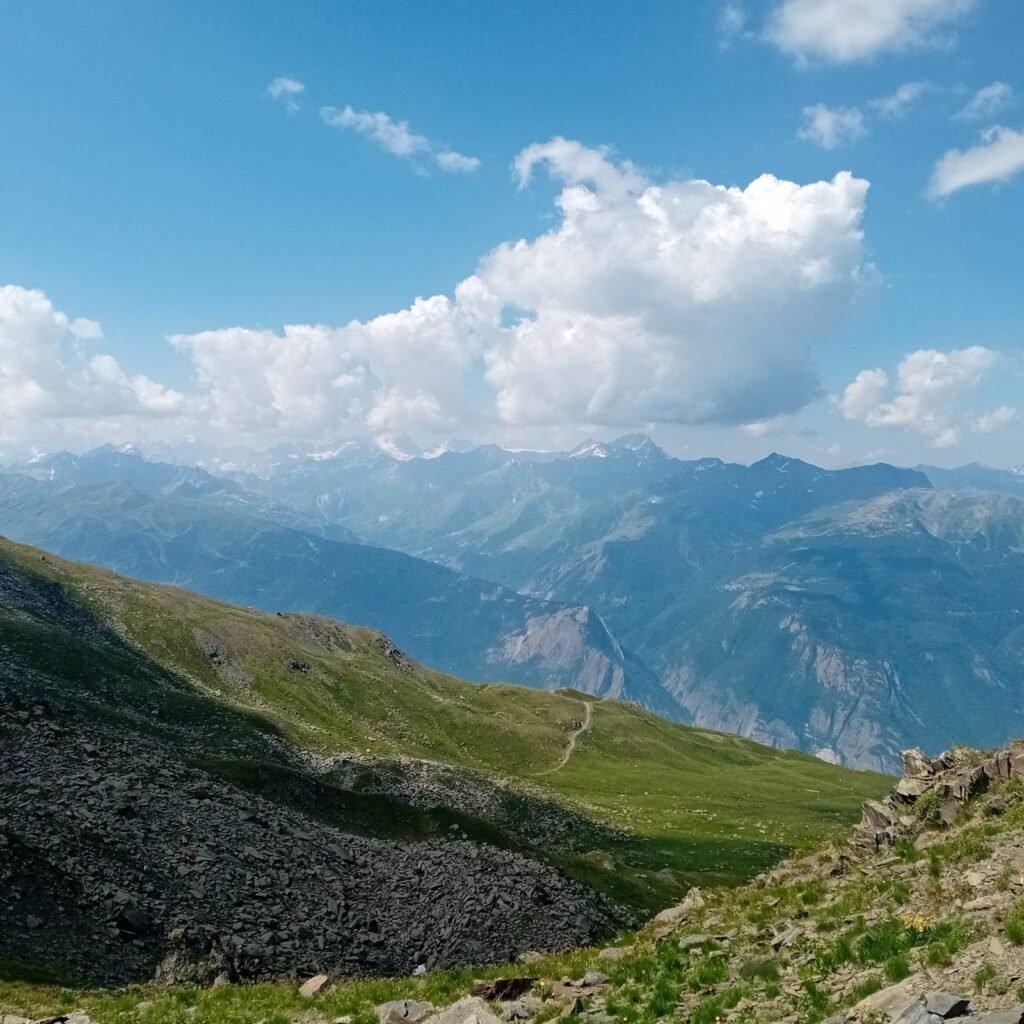
Eventually we reached Col de Pierre Blanche, where the difference was immediate. The oppressive warmth disappeared. A cool mountain breeze swept across the ridge. For the first time all weekend, we instinctively reached for an extra layer. Behind us lay Lac du Lou, now appearing like a jewel nestled among green pastures. Ahead stretched an entirely different world. The Alps unfolded in every direction, ridge after ridge fading into the horizon. Beyond the pass, the mountains continued towards Roche Jaille, Col de la Grande Combe, Col de Montfiot, and eventually Pointe de la Masse, each inviting hikers further into the high Alps. At that moment, I understood something about mountain passes. A summit often marks an ending. A col is different. A col is an invitation. It is not where the journey finishes. It is where another one begins.Every direction offers another valley, another lake and another horizon. They represent possibility.
Three Seasons in One Morning
Looking back at our climb, I realised we had experienced almost three different seasons in just a few hours. In the valley, it felt unmistakably like summer. Around Lac du Lou, it resembled late spring, with lush meadows and rushing streams. At Col de Pierre Blanche, winter still lingered beneath our feet. Climate change is often described through statistics. Average temperatures. Carbon emissions, Global targets. Yet its effects are also deeply personal. Sometimes they look like families climbing higher than they once needed to simply to find comfortable temperatures. Sometimes they look like children standing on snow while wearing summer hiking clothes. Sometimes they look like a campsite beside an alpine lake because the valley below is simply too hot.
Returning to the Lake
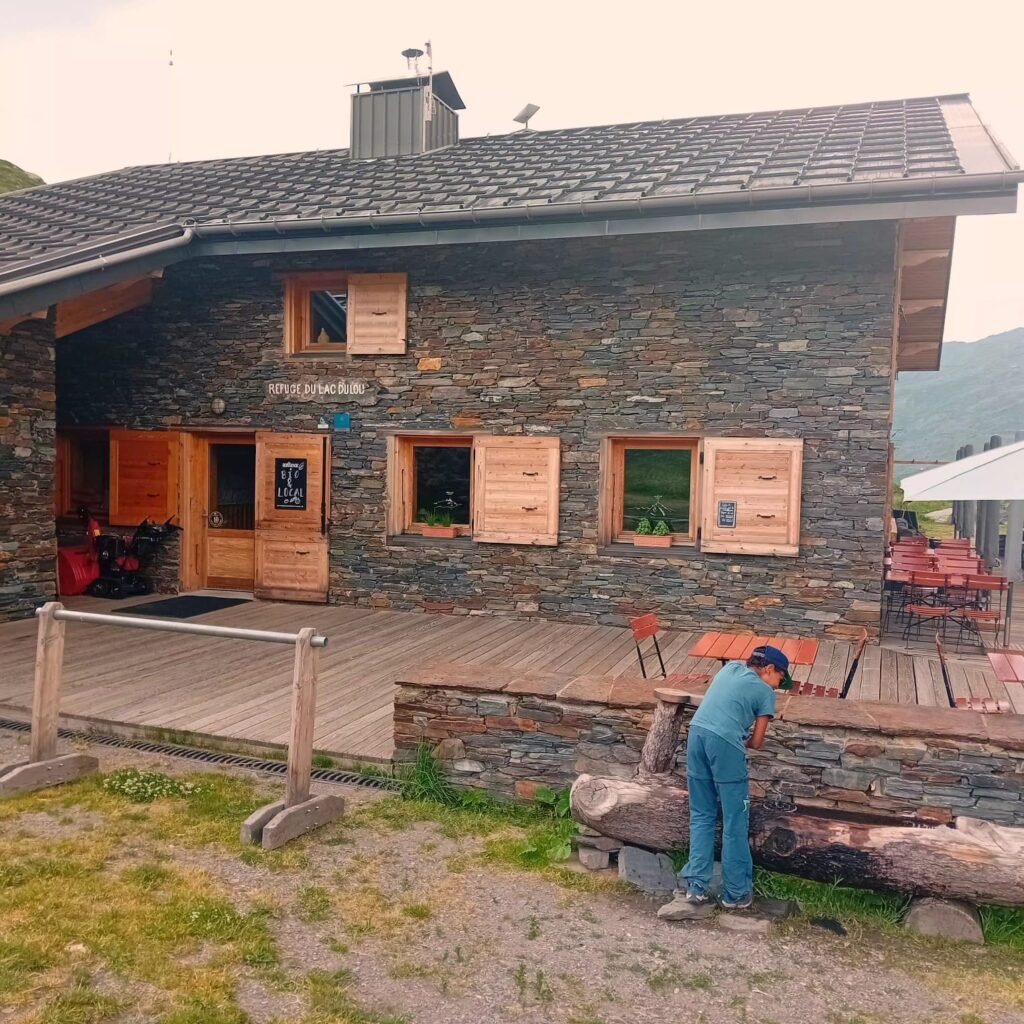
We made our way back down to Lac du Lou, where our tent was waiting beside the lake. After packing up our campsite, we headed to the Refuge du Lac du Lou for a well-earned late lunch. Around us, hikers exchanged stories of their own adventures while others were only just beginning theirs. Soon it was time to shoulder our backpacks one last time and begin the descent towards the valley.
As we drove home, the temperature began to climb once again. The cool mountain air slowly disappeared behind us, replaced by the familiar warmth of the heatwave. For one weekend, however, we had found our refuge.
As a Kenyan living in France, I often hear people joking that Africans must naturally be used to this kind of heat. The reality is far more nuanced. Africa is incredibly diverse, with climates that range from deserts to tropical forests and cool highlands to temperate plateaus. I grew up in Kenya, where even on the hottest days, we adapted differently. This French heatwave has been relentless. This weekend reminded me that climate change is asking all of us to adapt, regardless of where we come from.
Planning Your Own Adventure If you’re considering hiking to Lac du Lou and Col de Pierre Blanche, I cannot recommend it enough. Whether you’re an experienced hiker or a family looking for an unforgettable weekend in the Alps, this route offers something special. Please reach out
A few recommendations from our experience:
- Spend the night if you can. Camping beside Lac du Lou allows you to experience the mountains at their quietest and most magical.
- Start your climb to Col de Pierre Blanche early the next morning. You’ll enjoy cooler temperatures, quieter trails and beautiful morning light.
- Don’t stop at the lake. While Lac du Lou is stunning, the climb to the col completely transforms the landscape and rewards you with breathtaking panoramic views.
- Pack for changing conditions. Even during a heatwave, temperatures at higher elevations can be dramatically cooler. Bring warm layers alongside your sun protection.
- Carry plenty of water and wear sturdy hiking boots, as the trail becomes steeper and rockier beyond the lake.
- Take your time. This isn’t a hike to rush. Pause at the streams, admire the wildflowers, watch the snow melt beneath your feet and appreciate how the mountain changes with every metre you climb.
- End your adventure with lunch at the Refuge du Lac du Lou. After the descent, it’s the perfect place to relax before heading back down to the valley.



2 Comments
Jane BEARDSLEY
Beautiful read with great ideas that i might just borrow this summer!!!!!! Can’t wait to read more from you:-)
diasporaunfolding@gmail.com
Thank you so much Jane. The French Alps offers a hikers paradise especially if you want to escape the summer heat.Glad you enjoyed reading,you lmay want to check out the one that i did in the beaufoutain this past weekend.