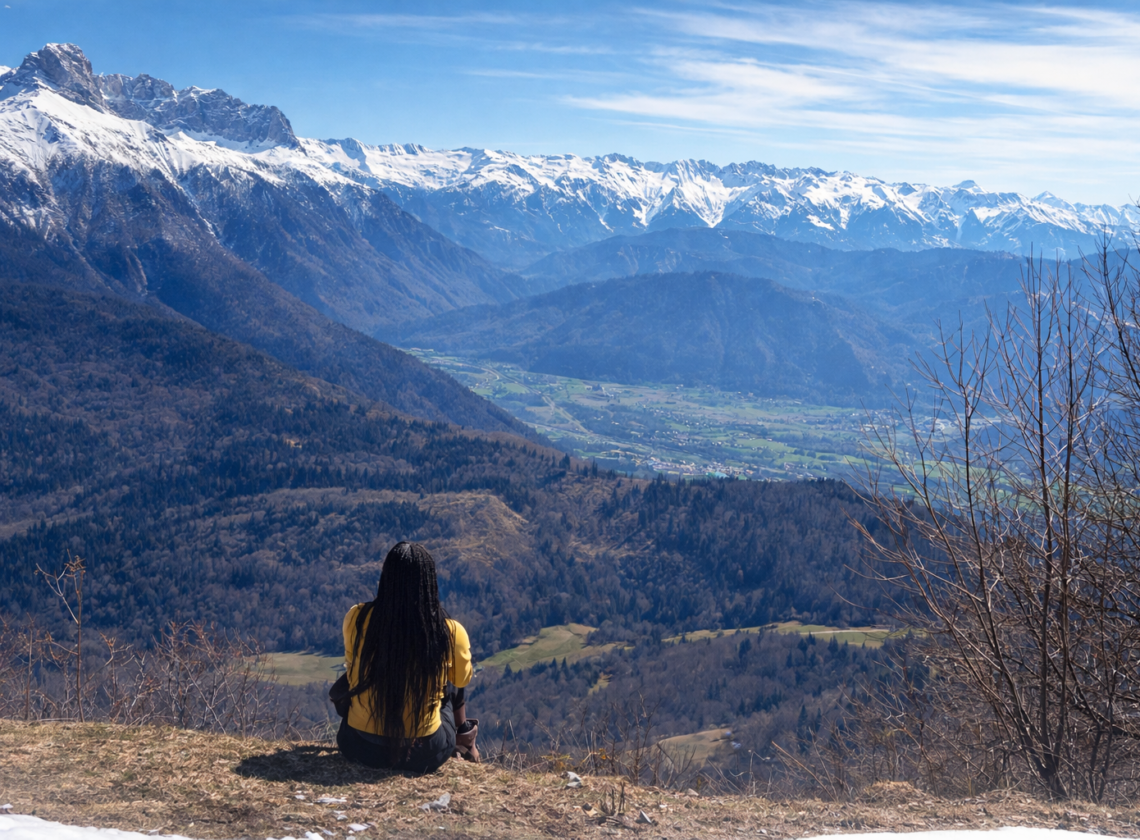
Being African in a French Countryside: Curiosity, Kindness, and the Unexpected Moments.
When we first moved to the French countryside, one of the things I noticed almost immediately was how visible we were, how visible i was.
In a large city, it is easy to disappear into the rhythm of everyday life. People are busy, streets are crowded, and no one pays much attention to who is walking past them you become invincible.
In the countryside, things are different.
People notice.
They notice when someone new arrives. They notice the car parked outside a house that used to be empty. They notice new children walking to school. And sometimes, they notice that the new family looks different from everyone else. You begin to understand that visibility is not something you choose. It is something you carry.
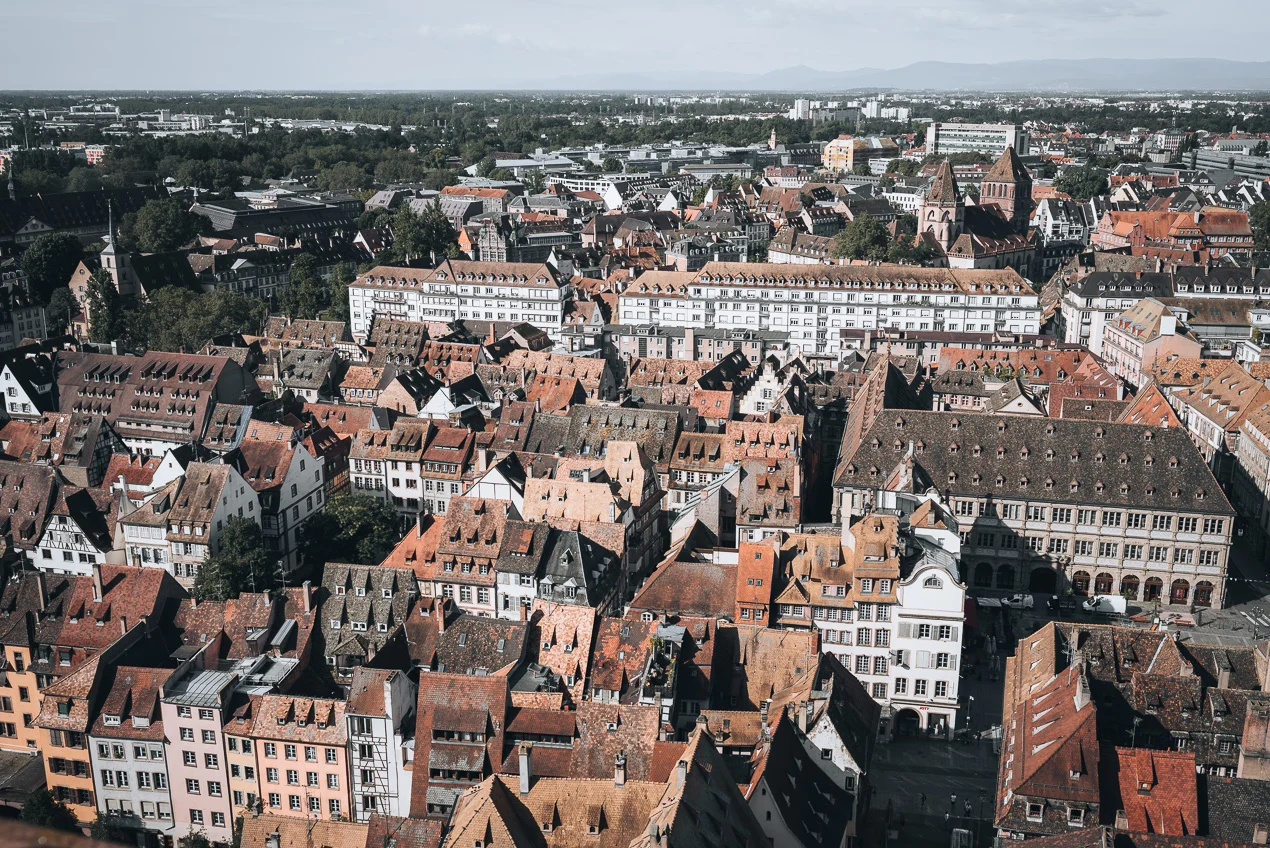
Curiosity Comes First
In the beginning, curiosity was the most common reaction.
People asked where we came from and what brought us to this particular corner of France. For many of them, meeting someone from Africa was simply unusual let alone someone who could not construct a sentence in French.
I quickly realized that curiosity in a village often comes from unfamiliarity rather than judgment. It is a way of making sense of something new. Over time, that curiosity softened into something else.
There were invitations to small gatherings, conversations over fences, and the occasional apéritif. There were moments of simple connection, talking about the weather, exchanging small observations about village life, or making loose plans to go hiking or spend an afternoon by the lake during summer months.
These moments were small, but they mattered. They created a slow, quiet familiarity. And yet, even within that familiarity, there is often an awareness that you are still being understood through a lens that is not entirely your own.
Learning the Social Rhythm
Living here also meant learning a different rhythm of social life.
Where I come from, people are open. Friends or relatives may show up at your home without notice, and no one thinks twice about it. A meal will be prepared, tea will be served, and conversation will follow naturally. In the countryside, social interactions tend to follow a different set of unwritten rules.
People plan visits in advance. Lunch time is often private. You do not call someone during lunch, and you do not simply stop by unannounced. At first these differences felt confusing. My extended family in Kenya now knows better when to call.
When we first arrived, I would wave enthusiastically at neighbors as a gesture of warmth. Over time I realized it was sometimes interpreted differently than I intended. So I adjusted. These small shifts are part of something larger. Living in the diaspora often means learning not just a new language, but new ways of expressing warmth, distance, and respect.
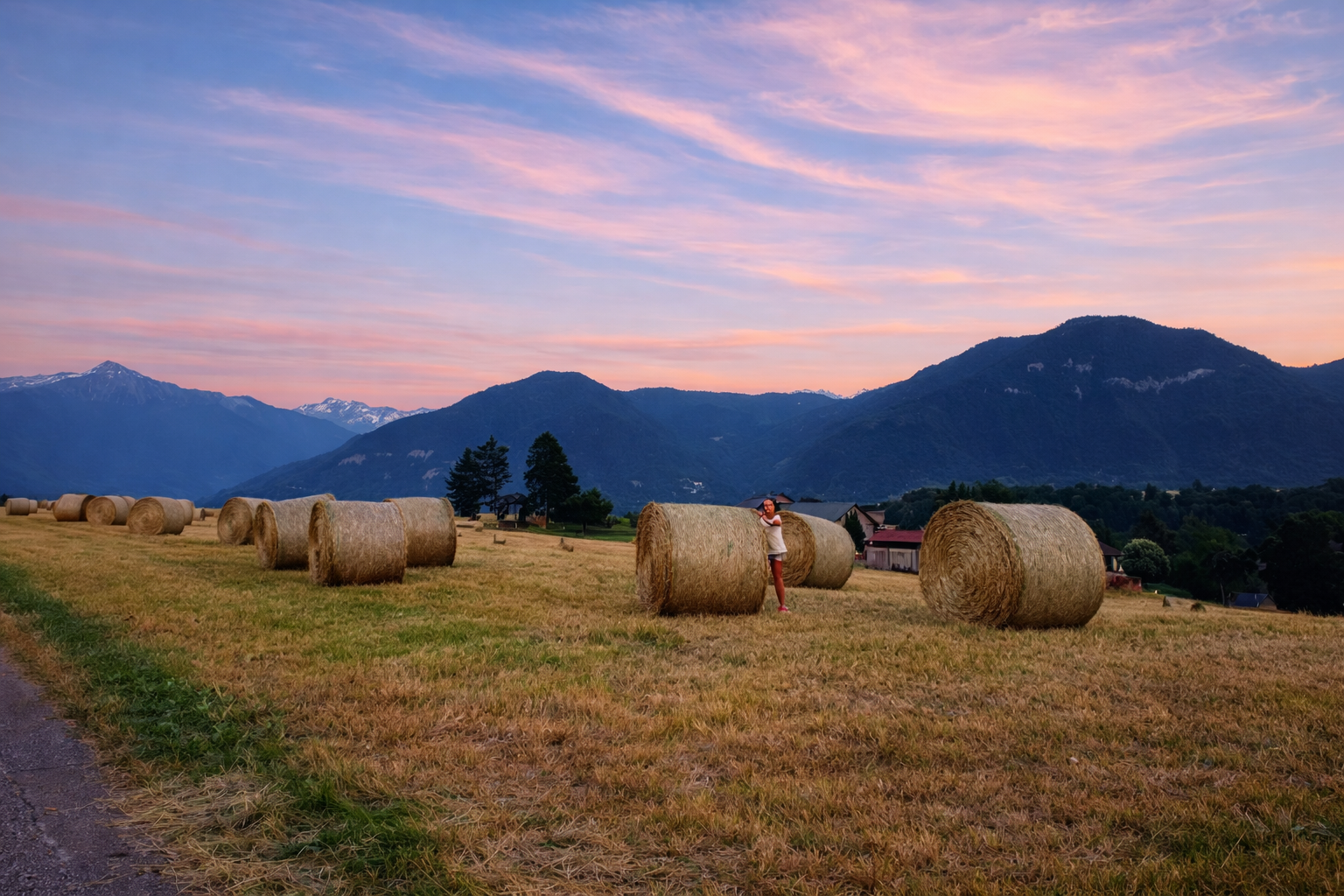
The Everyday Kindness
There are small gestures that define life in a French village. When you walk through the street, people make eye contact and say bonjour. Shopkeepers greet you when you enter and wish you a good day when you leave. These rituals of politeness may seem minor, but they are part of how community is built.
Over time, these repeated interactions create familiarity. The same neighbors you greet each morning become part of your daily landscape. It is a quiet kind of belonging, built slowly and without announcement.
The Awkward Moments
Of course, living somewhere where you visibly stand out also comes with moments that feel uncomfortable.
I remember one evening when we were invited to a neighbor’s house for an apéro. At one point he played some music and jokingly told my partner, “This is for you since you like them Black.” At the time I did not fully process what had been said. Only later did I sit with it and understood how uncomfortable that moment was.
There have also been quieter reminders. Discovering that certain community WhatsApp groups existed but i was not included in them. Not in a way that is openly exclusionary, but enough to notice. These moments are rarely dramatic. They do not define the whole experience. But they linger.
They remind you that belonging is not only about being present. It is also about how you are seen, and sometimes, how you are left just outside certain circles.
Raising Children Who Look Different
Our children experienced their own version of this adjustment.
They were already familiar with the French education system, having attended French schools in Kenya and Ethiopia. Academically, the transition was smooth. Socially, however, they entered classrooms where they looked different from most of their classmates.
Children notice differences quickly. Sometimes that curiosity shows up as questions, sometimes as teasing, sometimes as silence. But children also adapt in ways that adults often struggle to. Over time, friendships formed. Routines developed. School became normal again.
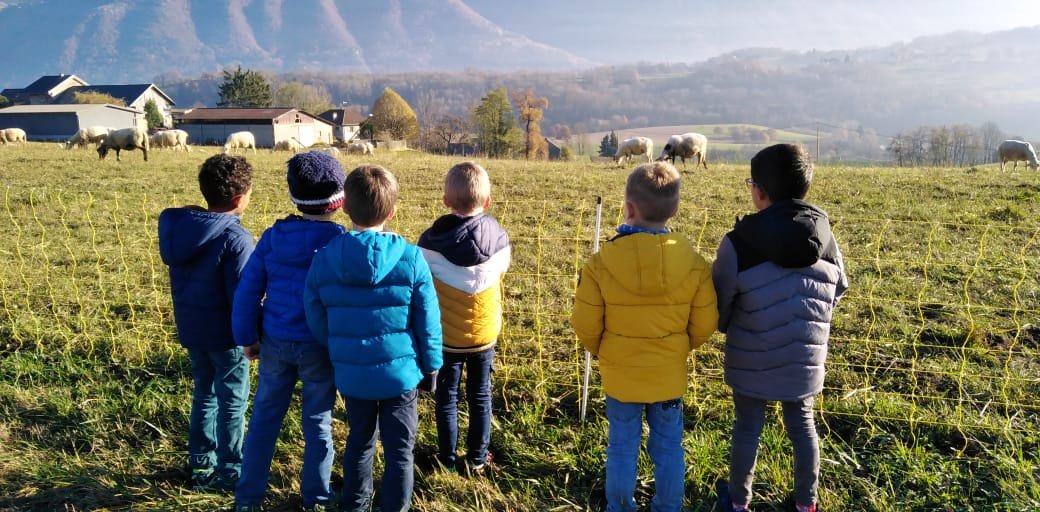
Still, as a parent, you remain aware that their experience of belonging may not always be as simple as it appears on the surface.
Understanding People and Personalities
Living in a small village also teaches you how varied people can be.
Some are naturally warm and curious. Others are reserved. Some take time before they feel comfortable opening up. Others, have mood swings that it becomes a challenge to know how to approach them. Over time, I began to see that many people are simply navigating their own comfort zones when interacting with someone whose background is unfamiliar. And in many ways, so was I.
Living With Complexity
Life here has taught me that human experiences are rarely simple. There are moments of kindness and moments of misunderstanding. There are people who welcome you warmly and others who remain distant.
Both can exist at the same time. What changes is how you learn to hold them.
Diaspora life, in many ways, is about learning to sit with that complexity. To recognize that belonging is not always immediate, and not always complete.
A Life Unfolding
When I look around today, the village no longer feels like a place where we arrived as outsiders. It feels like a place where our lives have slowly unfolded.
Not because everything became easy, but because familiarity grew, layer by layer, through everyday encounters and shared moments. Perhaps that is the quiet truth of living between cultures.
Belonging does not arrive all at once. It forms gradually, in the spaces between curiosity and understanding, between distance and connection, until one day you realize you are no longer just passing through.
You are part of the landscape, even if you arrived differently.

You May Also Like
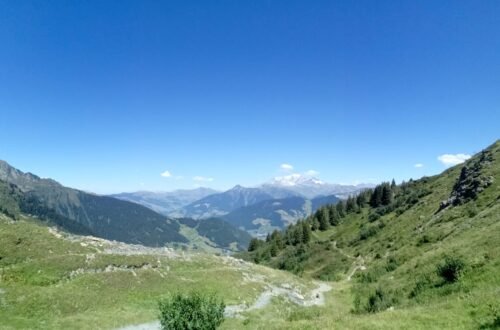
When the Mountains Listen: A Solo Hike to Col de la Bâthie in the French Alps

Three Days in the Beaufortain: Mountains, a Campervan and the Joy of Going Back.